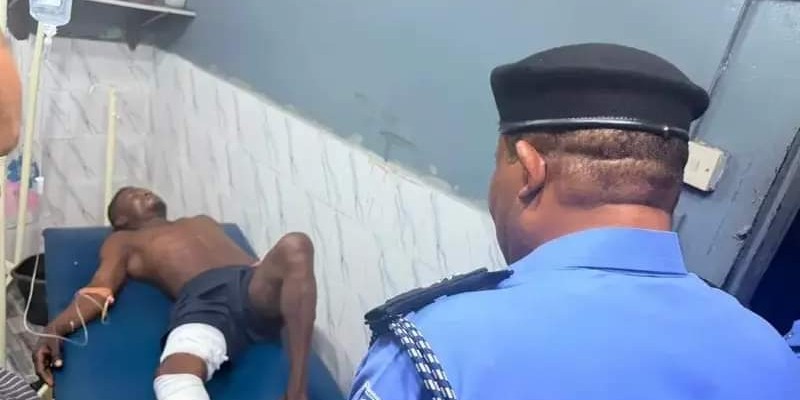
The Lagos State Police Command has stepped up surveillance and enforcement against groups of “area boys” accused of harassing, intimidating and extorting motorists across the state, following a series of viral videos that reignited public anger over the persistent menace on Lagos roads.
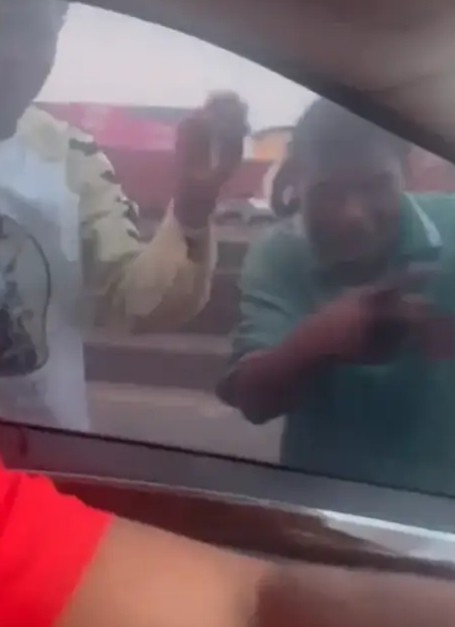
The wave of concern gained fresh momentum in early August after popular disc jockey Hannah Aderibigbe, known as DJ Salt of Life and the younger sister of Afrobeats star Ayra Starr, revealed that suspected local hoodlums had damaged her car after mistaking her for her famous sibling. Video circulating online showed a separate incident in which “agberos” surrounded a luxury SUV and demanded payment from its occupants, who were on their way to a public event, further fuelling outrage over the brazen nature of the harassment.
The incidents added to a string of viral clips this year showing young men commonly referred to in Lagos as “area boys” or “agberos” stopping vehicles, particularly high-end cars, and demanding money from drivers, sometimes damaging vehicles or property when their demands were refused.
The Lagos State Government has responded with a series of targeted operations. The state Commissioner for Environment and Water Resources, Tokunbo Wahab, disclosed that operatives of the Rapid Response Squad (RRS) carried out a midnight enforcement operation along the Lekki-Ajah Expressway, targeting individuals accused of harassing motorists, extorting money from them, and damaging vehicles when their demands were rejected.
Deputy Governor Obafemi Hamzat has also weighed in publicly, describing the harassment of motorists as a criminal act that the state government “will not allow.” Speaking in a broadcast on Nigeria Info FM, Hamzat confirmed that a number of arrests had already been made, with suspects appearing before a Magistrate Court, and said surveillance cameras installed along the Lekki-Epe Expressway had become a critical tool in identifying suspects. “A lot of people have been arrested, really. A lot of cameras are also on that road and people have been seen,” he said, adding that security agencies were actively working to “take a lot of them off the street.”
The state’s Commissioner for Environment, in a separate statement, warned car-spotters individuals who film and publicise the movements of luxury vehicles on social media, often inadvertently tipping off would-be extortionists that their activities would no longer be tolerated on public roads, urging them to confine such filming to designated car lots instead.
This is not the first time video evidence has driven a swift police response to alleged harassment of Lagos motorists. In earlier incidents this year, footage of police officers themselves engaging in alleged extortion or assault of motorists prompted the Nigeria Police Force to open investigations and, in at least one case, take an officer into custody. Separately, the Lagos Police Command has in the past disputed viral narratives around individual arrests, urging the public to verify claims before drawing conclusions from video clips that may not capture full context.
The recurring cycle of viral videos, public outrage and enforcement operations underscores a long-running challenge for Lagos State authorities: curbing the activities of informal street groups who have for years extracted money from motorists, traders and commuters, particularly around traffic hotspots, motor parks and busy expressways. Despite repeated crackdowns, arrests and public assurances from state officials, the harassment of road users by such groups has continued to resurface as a flashpoint issue, with each new viral video renewing pressure on police and state task forces to demonstrate visible results.