
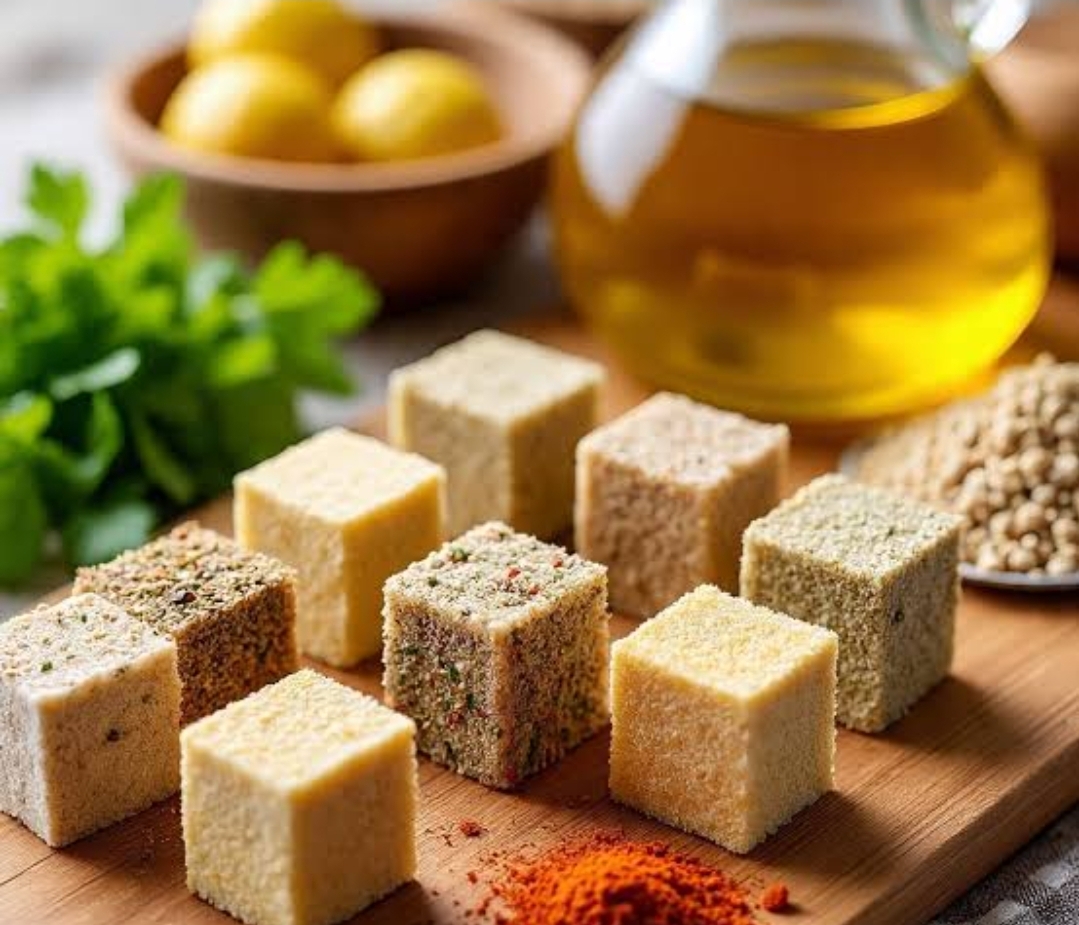
The widespread availability of artificial food seasonings and colourants in Nigerian markets has sparked growing concern among health experts, who warn that the unchecked consumption of these products could be contributing to the country’s increasing burden of cardiovascular diseases.
From major supermarkets to open markets and neighbourhood grocery stores, a wide range of locally manufactured and imported flavour enhancers are now readily available, often sold at affordable prices that make them attractive to millions of households. While many of these products are marketed as convenient cooking aids, experts say their excessive sodium content and other chemical additives pose potential health risks when consumed regularly.
Medical professionals have expressed concern that the proliferation of these seasonings, particularly those with questionable regulatory approval, is occurring amid a steady rise in cases of hypertension, stroke, heart disease and other cardiovascular conditions across Nigeria.
According to public health specialists, excessive sodium intake remains one of the leading modifiable risk factors for high blood pressure, a condition that significantly increases the likelihood of heart attacks, strokes and kidney disease. They warn that many consumers unknowingly exceed the recommended daily sodium intake through frequent use of artificial seasonings in home-cooked meals.
The concern is heightened by reports that some locally produced and imported food additives are entering the Nigerian market with limited quality control or inadequate regulatory scrutiny. Health advocates argue that weak enforcement of food safety standards has created an environment where substandard or improperly labelled products can circulate freely, leaving consumers vulnerable.
Nutritionists say that while approved food seasonings can be safely consumed in moderation, overreliance on highly processed flavour enhancers may encourage unhealthy dietary habits. They recommend that households reduce their dependence on artificial seasonings by incorporating natural herbs, spices, onions, garlic, ginger and fresh vegetables to enhance the taste of meals while lowering sodium intake.
Consumer rights groups have also called on regulatory agencies to intensify surveillance of the food market, strengthen product testing, and ensure that all seasonings and food additives sold in the country comply with established safety standards. They argue that stricter enforcement would help eliminate counterfeit and unregistered products while improving public confidence in food safety.
Health experts are equally urging Nigerians to pay closer attention to product labels, particularly sodium content and ingredient lists, before purchasing food seasonings. They also advise individuals, especially those living with hypertension or other cardiovascular conditions, to seek professional dietary guidance and limit the use of heavily processed food additives.
The growing debate comes at a time when non-communicable diseases are becoming an increasing public health challenge in Nigeria. According to health professionals, changing dietary patterns, urbanisation, sedentary lifestyles and increased consumption of processed foods are all contributing to the rising incidence of cardiovascular diseases.
As concerns continue to mount, stakeholders say stronger regulation, greater consumer awareness and healthier dietary choices will be essential in reducing preventable health risks associated with excessive consumption of artificial food seasonings and preserving the long-term wellbeing of Nigerians.