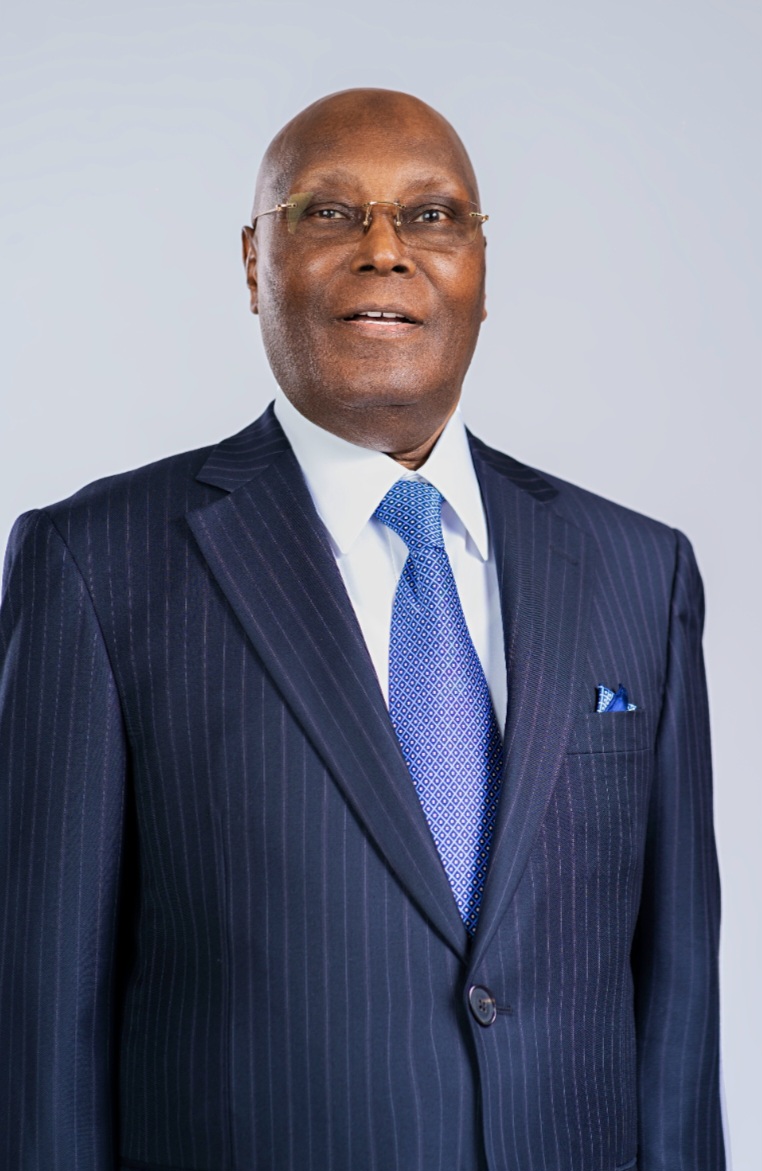
Former Vice President Atiku Abubakar has rejected allegations by former Secretary to the Government of the Federation, Babachir Lawal, that the presidential primary of the African Democratic Congress (ADC) was manipulated, insisting that any claims of rigging must be supported with credible evidence.
The dispute emerged after Lawal reportedly alleged irregularities in the conduct of the party’s presidential primary process, raising concerns about the credibility and transparency of the exercise. However, Atiku’s camp swiftly pushed back against the accusations, describing them as baseless and politically motivated.
In a statement issued on behalf of the former vice president, his spokesperson challenged Lawal to provide proof to substantiate his allegations rather than making what he described as sweeping claims capable of damaging the reputation of the party and its democratic processes.
According to the statement, Atiku remains committed to internal party democracy and believes that allegations of electoral manipulation should not be made lightly without verifiable facts. The spokesperson argued that the integrity of the party’s processes should be protected from what he termed unfounded accusations.
The statement further maintained that those dissatisfied with the outcome of a political contest have the right to seek redress through established party mechanisms. However, it stressed that public allegations lacking evidence risk creating unnecessary divisions within the party and misleading supporters.
Atiku’s camp also suggested that Lawal’s remarks may have been influenced by political considerations, alleging that the claims appeared designed to undermine confidence in the ADC and its leadership. The spokesperson said the former vice president would not be distracted by what he characterized as attempts to generate controversy around the party’s internal affairs.
The disagreement comes at a time when political parties are intensifying preparations ahead of future electoral contests, with opposition groups seeking to strengthen their structures and build alliances capable of challenging the ruling establishment.
Political observers note that disputes over primary elections are not uncommon within Nigerian political parties, particularly when influential figures feel dissatisfied with the conduct or outcome of internal contests. Such disagreements often test party cohesion and leadership’s ability to manage competing interests.
Despite the controversy, Atiku’s supporters insist that the ADC remains focused on its broader political objectives and is committed to fostering unity among members. They argue that internal disagreements should be resolved through dialogue and established party procedures rather than through public exchanges.
Meanwhile, Lawal has yet to publicly provide detailed evidence to support his allegations, even as reactions continue to trail the claims. The development has sparked debate among party members and political analysts, with some calling for greater transparency in party processes, while others have urged restraint pending the emergence of verifiable facts.
As the controversy unfolds, attention is likely to remain on the ADC leadership and key stakeholders as they seek to manage tensions and maintain unity within the party. The outcome of the dispute could have implications for the party’s internal stability and its preparations for future political contests.