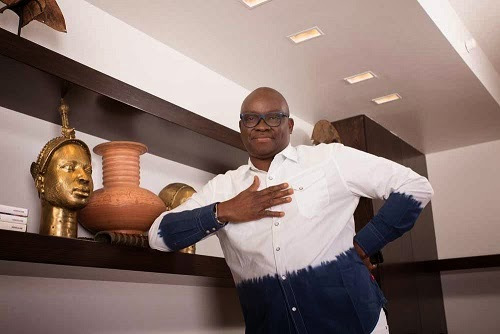
Former Ekiti State Governor Ayodele Fayose has alleged that the Accord Party spent at least N40 billion during the August 15 Osun State governorship election, directly contradicting claims by Afrobeats star Davido that the party relied solely on voter goodwill rather than money to secure victory.
Fayose made the claim in a video interview with TVC journalist Nifemi Oguntoye, shared on X on Wednesday. His remarks came in direct response to earlier comments from Davido, nephew of re-elected Governor Ademola Adeleke, who had accused the All Progressives Congress of spending N110 billion on vote-buying while insisting that the Accord Party spent nothing and relied purely on the support of Osun voters.
Fayose pushed back on that narrative, asserting that both major parties poured vast sums into the contest rather than one side winning through popular goodwill alone. “Accord Party led the opponents. The money that went to that election from the Accord Party itself cannot be under N40 billion. I stand to be corrected,” Fayose said.
Fayose went further, alleging that N7.5 billion was distributed across local governments and wards in the days leading up to the election, with some wards reportedly receiving as much as N35 million each. He also claimed that results from Ede, Governor Adeleke’s hometown, were “piled” suggesting irregularities in the collation of results from the area.
Beyond the spending allegations, Fayose used the interview to describe President Bola Tinubu as having been “magnanimous” during the Osun election, arguing that the Federal Government could have influenced the outcome had it chosen to, but did not. He contrasted this with the 2018 Ekiti State election, which he lost, claiming the Federal Government at the time used its influence against him including jamming communications, withdrawing his security detail, and physically restraining him.
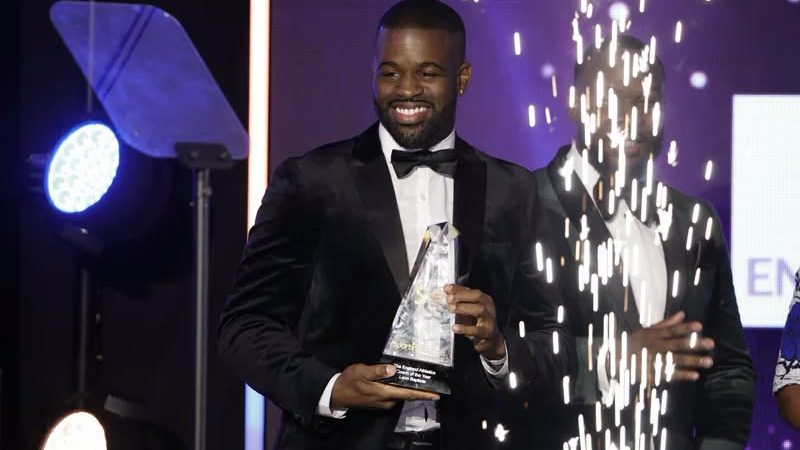
Fayose’s allegations echo findings from a separate investigation into overall election spending in Osun. An investigation found that combined campaign spending by the two main parties, excluding vote-buying, was about N15 billion, with the campaign involving rally logistics, party structure payments across 332 wards and 30 local government areas, and the mobilisation of political figures including sitting governors from Edo and Kogi states. The same investigation noted that while Davido campaigned actively for his uncle, the Accord Party did not pay him for his appearances.
The same investigation also documented a heavy human cost to the contest. At least 29 people died in election-related violence in Osun State between October 2025 and August 15, according to the Kimpact Development Initiative, which tracked 73 violent incidents, while the Centre for Journalism Innovation and Development separately recorded 34 incidents and 18 deaths since May 2026 alone. The Nigeria Police Force classified at least 30 of the killings as politically motivated.
The Osun election’s aftermath has been dominated almost as much by competing claims over campaign financing as by the result itself. Davido had earlier claimed that more than N110 billion in cash was brought into the state by the APC in an attempt to sway the outcome, a figure he said came from an inside source tracking the movement of funds, while maintaining that his uncle’s campaign did not spend a dime on election day. Fayose’s intervention adds a rival, and notably higher, spending figure attributed specifically to the winning Accord Party allegations that, like Davido’s, have not been independently verified by any regulatory body.
Neither the Accord Party nor the APC has issued an official, itemised account of campaign expenditure for the election, and Nigeria’s electoral funding disclosure framework has long been criticised by civil society groups for weak enforcement, leaving such claims largely unverifiable through official channels. As of this report, INEC had not commented on the competing spending allegations from either side.