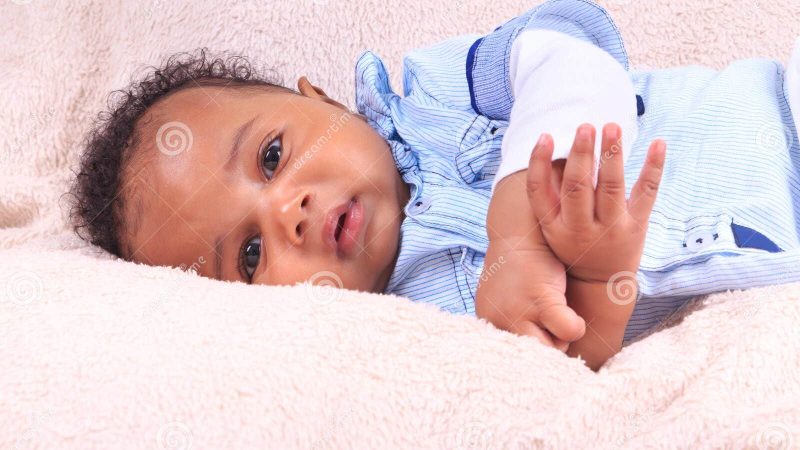

Medical experts have explained that it is not unusual for some children to bear little physical resemblance to their parents, noting that inherited genetic traits from grandparents, great-grandparents and other ancestors can significantly influence a child’s appearance.
According to doctors and genetic specialists, a child’s physical features are determined by a complex combination of genes inherited from both parents. While many children share obvious similarities with their mother or father, others may inherit traits that have remained dormant for generations before reappearing.
Experts say each parent contributes 50 per cent of their genetic material to a child. However, the way genes combine is largely random, meaning siblings from the same parents can look remarkably different from one another.
Doctors explain that some genes are dominant, making them more likely to be expressed, while others are recessive and may remain hidden for generations before appearing in a child. This genetic process can influence characteristics such as skin tone, eye colour, hair texture, facial structure, height and other physical features.
According to the experts, it is therefore possible for a child to resemble a grandparent, aunt, uncle or even a more distant relative rather than either parent. They note that this phenomenon is a normal aspect of human genetics and should not automatically raise concerns about biological parentage.
Medical professionals also point out that physical appearance is influenced by multiple genes rather than a single inherited trait. Environmental factors, nutrition and overall health during growth and development can also affect certain physical characteristics, although inherited genes remain the primary determinant of a person’s appearance.
The experts advise parents against making assumptions about paternity or maternity solely based on a child’s physical appearance, stressing that family resemblance is highly variable. They note that if questions about biological relationships arise, scientifically validated DNA testing remains the only reliable method of establishing parentage.
Geneticists add that as children grow older, their facial features often change and may gradually come to resemble one or both parents more closely. In some cases, similarities that are not apparent during infancy become more noticeable during adolescence or adulthood.
Doctors say understanding the role of genetics can help dispel common misconceptions about family resemblance and reassure parents that differences in appearance are a natural outcome of the complex way inherited genes are passed from one generation to the next.