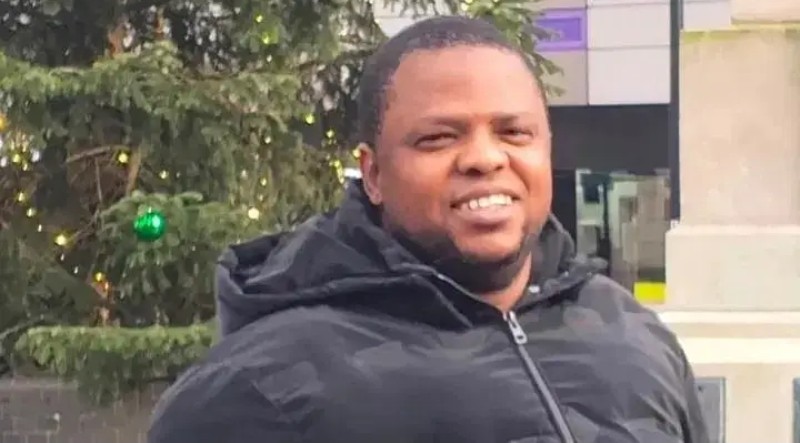
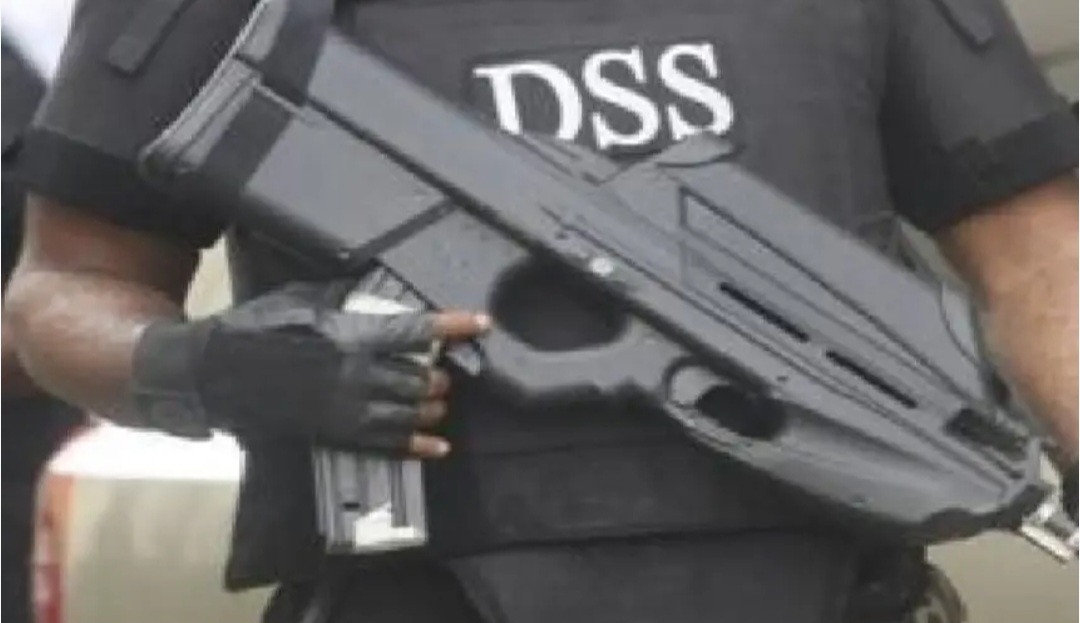
The Department of State Services (DSS) has arraigned a Nigerian man, Paul Jibrin Oweleke, over allegations that he used social media platforms to call for the overthrow of President Bola Ahmed Tinubu.
Oweleke was brought before a court on charges linked to statements allegedly made online, which security authorities claim amounted to incitement against the constitutional government and posed a threat to national security.
According to the DSS, the defendant published content on social media that allegedly encouraged actions aimed at undermining the administration of President Tinubu. The agency argued that such statements could incite public disorder and threaten the country’s democratic institutions.
During the court proceedings, Oweleke pleaded not guilty to the charges preferred against him. His plea set the stage for a legal battle in which prosecutors are expected to present evidence supporting the allegations, while the defence seeks to challenge the claims.
The case has drawn attention amid increasing scrutiny of social media activities and public commentary on governance, security, and political affairs in Nigeria. Authorities have repeatedly warned against the use of online platforms to promote violence, insurrection, or actions capable of destabilising the country.
Legal representatives for the prosecution informed the court that the charges stemmed from investigations conducted by the DSS into the defendant’s online activities. The agency maintained that it acted within its mandate to safeguard national security and prevent threats to the constitutional order.
Counsel for the defendant, however, is expected to contest the allegations and argue his client’s case as the trial progresses. The court subsequently adjourned proceedings to a later date for further hearing and consideration of relevant applications.
The arraignment comes at a time when debates over freedom of expression, digital rights, and national security continue to generate public interest across Nigeria. While security agencies insist on the need to curb inflammatory rhetoric and incitement, civil society groups have consistently called for a balance between security concerns and citizens’ constitutional rights to free speech.
Observers say the outcome of the case could contribute to ongoing discussions about the limits of online expression and the legal implications of political commentary in the digital age.
As proceedings continue, the court is expected to determine whether the prosecution can establish its case against Oweleke beyond reasonable doubt, in line with Nigeria’s criminal justice system. Until then, the defendant remains presumed innocent under the law unless proven guilty by a competent court.