The Federal Government has appealed to media organisations across the country to reconsider the prominence given to reports of terrorist activities, urging editors and media executives to avoid placing such stories on front pages in a bid to promote national stability and deny criminal groups the publicity they seek.
The call was made during an engagement with media leaders, where government officials stressed the need for responsible journalism in the coverage of security-related issues, particularly terrorism and insurgency.
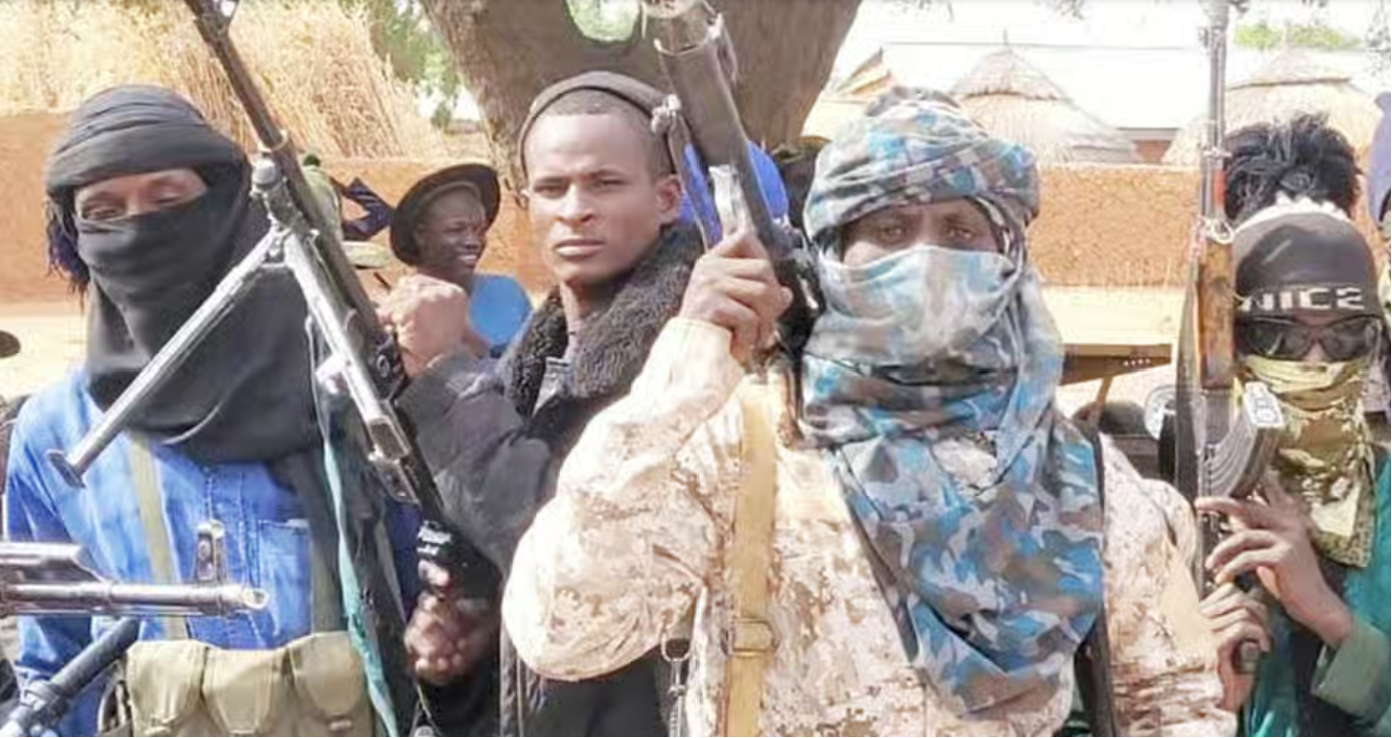
According to the government, while the media has a constitutional responsibility to inform the public, excessive attention to terrorist attacks can inadvertently amplify the objectives of violent groups by spreading fear, creating panic, and projecting an exaggerated image of their capabilities.
Officials argued that terrorist organisations often rely on publicity to advance their agenda, recruit sympathisers, and instill fear among citizens. As a result, they urged media practitioners to exercise editorial discretion in the manner such incidents are reported.
The government maintained that the appeal was not intended to suppress press freedom or restrict access to information but rather to encourage balanced reporting that takes into account the broader implications of national security and public confidence.
Speaking during the engagement, officials noted that many countries facing terrorism have adopted strategies that limit sensational coverage of attacks while ensuring that citizens remain adequately informed. They emphasized that the media remains a critical partner in the nation’s fight against insecurity and should contribute to efforts aimed at strengthening national resilience.
The appeal comes at a time when Nigeria continues to confront security challenges in several parts of the country, including terrorism, banditry, kidnapping, and other violent crimes. Security agencies have repeatedly highlighted the role of information management in counterterrorism efforts, arguing that public perception can significantly influence the effectiveness of security operations.
Government representatives urged media houses to focus more attention on stories of resilience, development, successful security interventions, and community efforts aimed at combating insecurity. Such reports, they argued, could help foster public confidence and support ongoing efforts to restore peace and stability.
The proposal, however, is expected to generate debate within media circles. Advocates of press freedom have consistently maintained that the media’s primary responsibility is to report events accurately and without interference, regardless of their nature or perceived impact.
Some media professionals argue that prominent coverage of terrorist attacks serves the public interest by drawing attention to security challenges, holding authorities accountable, and ensuring that citizens remain informed about threats that may affect their safety.
Others, however, acknowledge the need for responsible reporting, particularly in avoiding sensational headlines, graphic imagery, or content that could inadvertently glorify perpetrators or spread fear among the public.
Industry observers note that the discussion reflects a broader global debate over the balance between national security considerations and the media’s watchdog role. In many countries, news organisations have developed editorial guidelines aimed at reporting terrorism in a manner that informs the public without providing undue publicity to extremist groups.
As Nigeria continues to grapple with security concerns, the Federal Government expressed optimism that stronger collaboration between security agencies and the media would contribute to national stability while preserving the principles of press freedom and professional journalism.
The government reiterated that its appeal should be viewed as a call for greater editorial responsibility rather than censorship, emphasizing that both the media and government share a common objective of safeguarding the nation and protecting citizens from the effects of terrorism and violent extremism.