
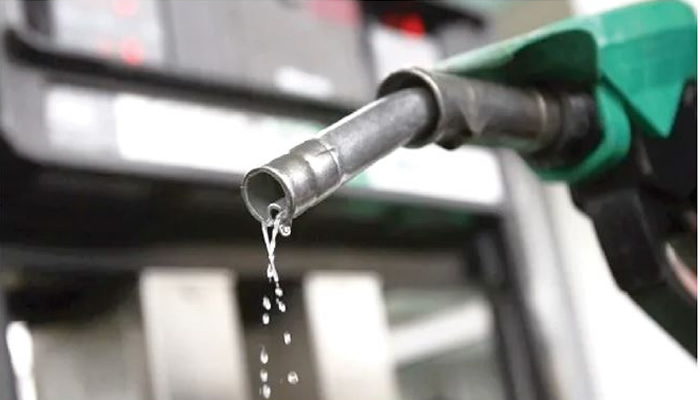
Nigerian motorists may soon enjoy lower fuel prices following a decline in global crude oil prices sparked by a recent peace agreement between the United States and Iran.
The easing of tensions between the two countries has helped stabilize global energy markets, leading to a significant drop in the price of Brent crude, the international benchmark for oil. Analysts say the development is already having an impact on Nigeria’s downstream petroleum sector, where fuel prices are largely determined by market forces following the removal of fuel subsidies.
Industry players report that crude oil prices, which surged above $120 per barrel during months of geopolitical tensions in the Middle East, have fallen below $80 per barrel following the reopening of key shipping routes, including the strategic Strait of Hormuz.
The decline has prompted major adjustments within Nigeria’s fuel supply chain. The Dangote Petroleum Refinery recently announced a reduction in its ex-depot price for Premium Motor Spirit (PMS), popularly known as petrol, cutting the rate by ₦75 per litre from ₦1,250 to ₦1,175 per litre.
The price reduction has since influenced other operators in the downstream sector, with several independent depot owners adjusting their wholesale prices downward in a bid to remain competitive.
Despite the reductions at the depot level, retail pump prices have remained relatively unchanged in many parts of the country. Petrol continues to sell between ₦1,280 and ₦1,335 per litre in several filling stations across Lagos, Abuja and other major cities.
Industry stakeholders, however, say consumers should begin to see lower prices in the coming weeks as marketers exhaust existing stock purchased at higher rates.
The National Publicity Secretary of the Independent Petroleum Marketers Association of Nigeria (IPMAN), Chinedu Ukadike, said the delay in pump price adjustments is largely due to inventory already acquired before the recent decline in crude oil prices.
According to him, marketers are expected to gradually adjust retail prices as new supplies purchased at lower costs enter the market. He projected that pump prices in Lagos and other major commercial centres could fall closer to the ₦1,200 per litre range if current market conditions persist.
Energy experts say the latest developments underscore the realities of Nigeria’s deregulated petroleum market. Without government subsidies, domestic fuel prices now respond directly to global oil market movements, rising when international crude prices increase and falling when they decline.
Analysts note that while the current outlook is positive for consumers, the extent of future price reductions will depend on the stability of global crude oil prices and the performance of the foreign exchange market.
They explain that fluctuations in the value of the naira against the United States dollar remain a key factor influencing the final cost of imported petroleum products, shipping expenses and other operational costs within the supply chain.
Should global oil prices remain stable and geopolitical tensions continue to ease, industry observers believe Nigerians could experience further reductions in fuel prices, providing some relief from inflationary pressures and rising transportation costs that have weighed heavily on households and businesses in recent months.