
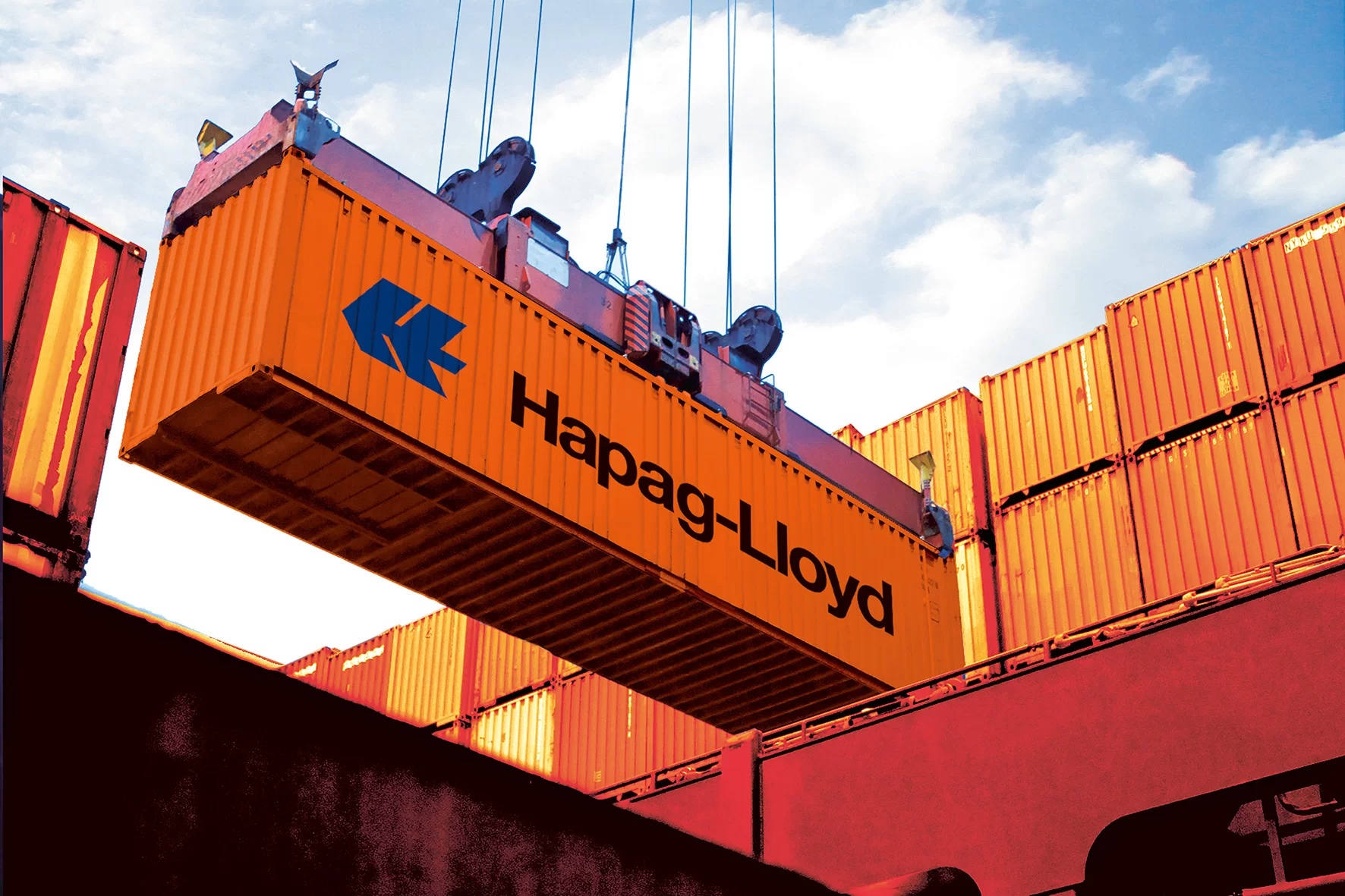
Nigerian importers and small businesses are bracing for a fresh wave of cost increases as global geopolitical tensions, rising freight charges, and domestic port tariff adjustments combine to squeeze already fragile supply chains.
The pressure is being driven by renewed instability in key maritime routes, including disruptions around the Strait of Hormuz, alongside international oil market forecasts projecting Brent crude prices close to $100 per barrel. Analysts say the developments are already filtering into shipping insurance, freight pricing, and delivery timelines affecting Nigerian cargo.
Importers across major commercial hubs such as Lagos, Onitsha, and Kano say the combined effect is accelerating cost-push inflation and eroding profit margins, particularly for small and medium-sized enterprises dependent on imported goods.
A major domestic factor adding to the strain is a recently approved adjustment in port charges, where the Nigerian Shippers’ Council introduced a capped increase of up to 30% in shipping-related service fees. The council says the measure was designed to prevent shipping operators from exiting Nigerian routes due to rising operational costs, though clearing agents argue it has significantly raised the cost of doing business at Apapa and Tin Can Island ports.
The council maintained that the cap was a negotiated compromise from earlier proposals that could have seen increases of up to 150% to 200%, warning that Nigeria risks losing shipping competitiveness without periodic adjustments.
At the foreign exchange level, importers continue to face pressure from the exchange rate regime, with the Central Bank of Nigeria (CBN) maintaining an official rate around ₦1,370 per dollar. Since the Nigeria Customs Service uses a unified exchange rate for duty calculations, even minor currency fluctuations immediately translate into higher import charges for businesses.
The result is a compounding cost structure that begins with global shipping prices and ends with higher retail prices in local markets.
Economists describe the system as a layered import cost chain where freight charges, import duties, terminal handling fees, and value-added tax all accumulate before goods reach consumers.
The pressure is particularly acute for small businesses that rely on bank credit to finance imports. With the Monetary Policy Rate held at 26.5%, access to affordable financing remains limited, forcing many traders to reduce inventory volumes or delay restocking cycles.
“We now think twice before bringing in a full container,” said a Lagos-based electronics importer. “By the time goods arrive, shipping costs, fuel surcharges, and exchange rate changes have already eaten into the expected profit.”
Market operators say delays in global shipping routes—caused by vessels rerouting to avoid conflict zones—have also increased fuel consumption and delivery times, further raising logistics costs that are ultimately passed on to Nigerian consumers.
Despite recent macroeconomic improvements, including a sovereign rating upgrade by S&P Global to “B,” business operators say the impact has yet to translate into relief at the retail level.
Economists are urging a stronger shift toward regional sourcing under the African Continental Free Trade Area (AfCFTA), arguing that overreliance on long-haul imports leaves Nigeria vulnerable to external shocks.
For now, importers say survival depends on tighter cost control, smaller shipment cycles, and constant adjustment to unpredictable global market conditions.