
Nigeria’s industrial relations landscape has been plunged into renewed debate following a landmark advisory opinion by the International Court of Justice (ICJ) affirming that workers’ right to strike is protected under the International Labour Organisation’s (ILO) Convention No. 87 on Freedom of Association and Protection of the Right to Organise.
The ruling, delivered by the ICJ in The Hague on May 21, has triggered conflicting interpretations from organised labour and employers, with both sides disagreeing on its implications for labour relations and strike actions in Nigeria. The court held that the right of workers and trade unions to strike is protected under Convention No. 87, ending a long-standing international dispute over whether the convention implicitly guarantees such a right.
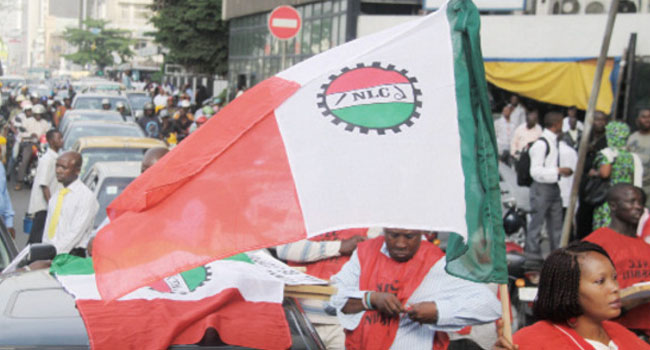
The Nigeria Labour Congress (NLC) has welcomed the advisory opinion, describing it as a historic victory for workers worldwide. NLC President, Joe Ajaero, argued that the ruling settles decades of debate over the legal basis of strike actions under international labour law and strengthens workers’ ability to collectively defend their interests.
The labour centre also criticised comments by the Director-General of the Nigeria Employers’ Consultative Association (NECA), Adewale-Smatt Oyerinde, who maintained that while the ICJ recognised the right to strike, workers must still comply with existing national labour laws governing industrial actions. According to the NLC, attempts to downplay the significance of the ruling amount to a misinterpretation of the court’s decision.
On the other hand, NECA has argued that the ICJ’s advisory opinion does not automatically override Nigeria’s domestic labour laws. The employers’ body noted that the court expressly stated that it was not determining the precise scope, content, or conditions under which the right to strike may be exercised. Consequently, it insists that industrial actions in Nigeria must continue to comply with provisions of the Trade Disputes Act and other relevant regulations.
Legal and labour experts say the ICJ opinion is significant because it confirms that the right to strike is an integral part of freedom of association under international labour standards. However, they note that the judgment does not abolish national regulatory frameworks and leaves room for governments to impose lawful restrictions, particularly in essential services and other sensitive sectors.
Nigeria ratified ILO Convention No. 87 in 1960, making the ICJ’s interpretation particularly relevant to the country’s labour environment. While advisory opinions of the ICJ are not legally binding in the same way as judgments in contentious cases, they carry substantial legal and moral authority and are often relied upon by courts, governments, and international organisations in interpreting international law.
The disagreement between labour and employers comes at a time when industrial actions remain a recurring feature of Nigeria’s public sector, with disputes over wages, working conditions, and government policies frequently leading to strikes. Analysts say the latest debate could shape future discussions on labour rights, collective bargaining, and the regulation of industrial action in the country.