
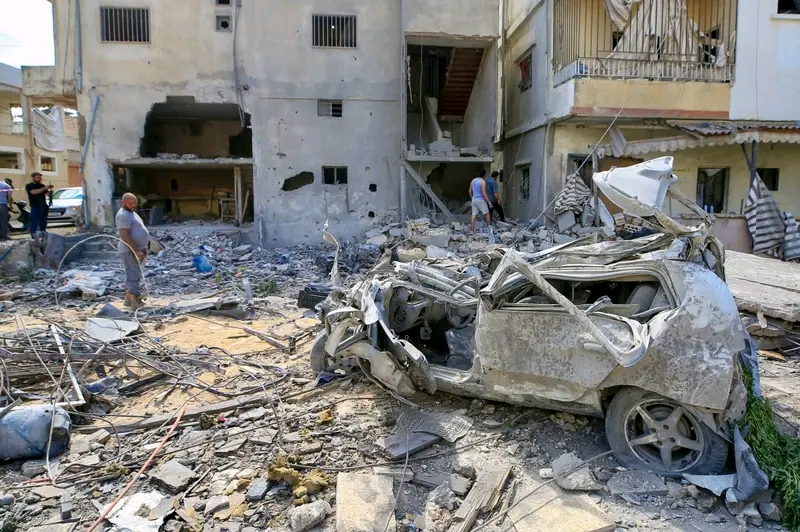
At least 31 people were killed in Israeli strikes across southern Lebanon on Tuesday, according to regional reports, as tensions escalated further in the wider Middle East conflict involving Israel, Iran and the United States.
The attacks came amid renewed accusations from Tehran that Washington violated an existing truce agreement through overnight military operations targeting Iranian positions. Iranian officials condemned the reported strikes, describing them as a breach of ongoing ceasefire arrangements and warning of possible retaliation.
According to reports from Lebanon, Israeli air and ground operations intensified in several southern areas, prompting new displacement orders for civilians in towns near the border. Panic reportedly spread among residents as thousands fled toward safer areas, including the coastal city of Sidon.
The Israeli military has expanded operations beyond previously established buffer zones, declaring large areas south of Lebanon’s Zahrani River a “combat zone.” Israeli authorities said the operations were aimed at neutralizing threats from the Iran-backed Hezbollah group.
Meanwhile, Iran’s Foreign Ministry accused the United States of undermining diplomatic efforts by carrying out fresh strikes on missile facilities and naval assets in southern Iran. Tehran insisted that any ceasefire or peace arrangement should include an end to Israeli military actions in Lebanon.
The White House has denied reports that a comprehensive agreement had already been reached with Iran. US President Donald Trump said the Strait of Hormuz would remain open to international shipping and rejected suggestions that Washington had agreed to ease sanctions on Tehran.
The latest escalation highlights the fragility of the ceasefire brokered earlier this year following weeks of conflict between Israel, Iran and allied armed groups across the Middle East. Disagreements over whether Lebanon was formally covered under the truce have continued to fuel hostilities between Israel and Hezbollah.
International mediators, including Gulf states and regional partners, continue diplomatic efforts to prevent a wider regional war as humanitarian concerns deepen across Lebanon and surrounding countries.