
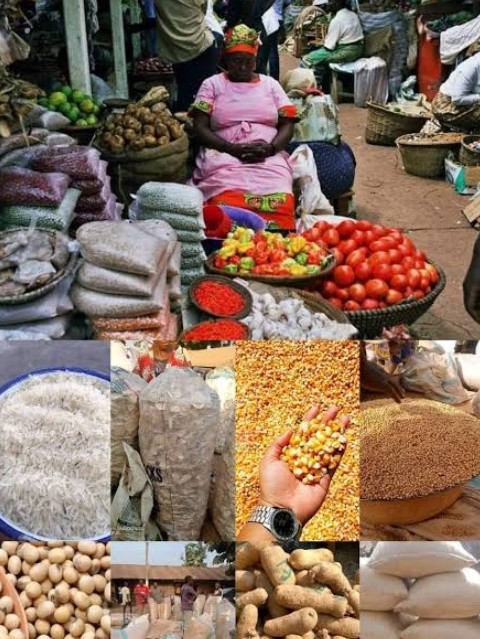
Kogi, Niger and Benue states recorded the highest year-on-year food inflation rates in Nigeria in June 2026, underscoring persistent pressure on household food costs despite a slight easing in the country’s overall inflation rate.
This was disclosed in the latest Consumer Price Index (CPI) and Inflation Report released on Wednesday by the National Bureau of Statistics (NBS). The report showed that Kogi topped the list with a food inflation rate of 53.02 percent, followed by Niger (43.83 percent) and Benue (40.83 percent).
In contrast, the states with the lowest year-on-year food inflation rates were Katsina (19.15 percent), Rivers (23.81 percent ) and Imo(24.60 percent ). On a month-on-month basis, however, Katsina (16.83), Kebbi (9.79 percent) and Niger(8.96 percent ) recorded the sharpest increases in food prices during the period.
The NBS attributed the continued rise in food prices to increases in the cost of essential food items across the country. While food inflation remained elevated, Nigeria’s headline inflation rate declined marginally to15.91 percent in June 2026, down from 15.93 percent in May, indicating a slight slowdown in the overall pace of price increases.
According to the report, the Consumer Price Index (CPI) rose to 143.0 in June from 140.7 in May, reflecting continued increases in the average prices of goods and services purchased by households despite the moderation in headline inflation.
Economists say the disparity in food inflation across states reflects differences in local food production, transportation costs, security challenges, market access and supply chain disruptions. Rising food prices have remained one of the biggest drivers of the cost-of-living crisis, with many households spending a significant share of their income on basic staples.
The latest figures suggest that while overall inflation may be stabilising, food costs continue to place considerable pressure on consumers, particularly in states where agricultural production and distribution have been affected by insecurity, flooding and other logistical challenges. The NBS is expected to continue monitoring price movements as policymakers seek measures to curb inflation and improve food affordability nationwide.