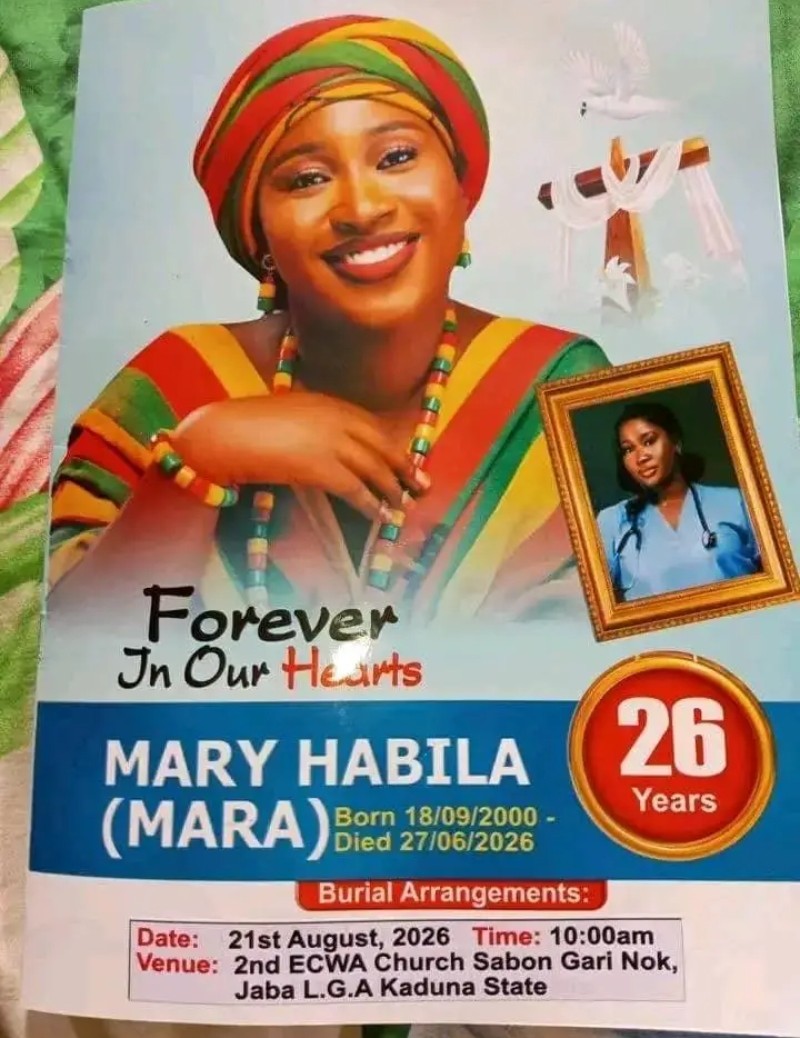
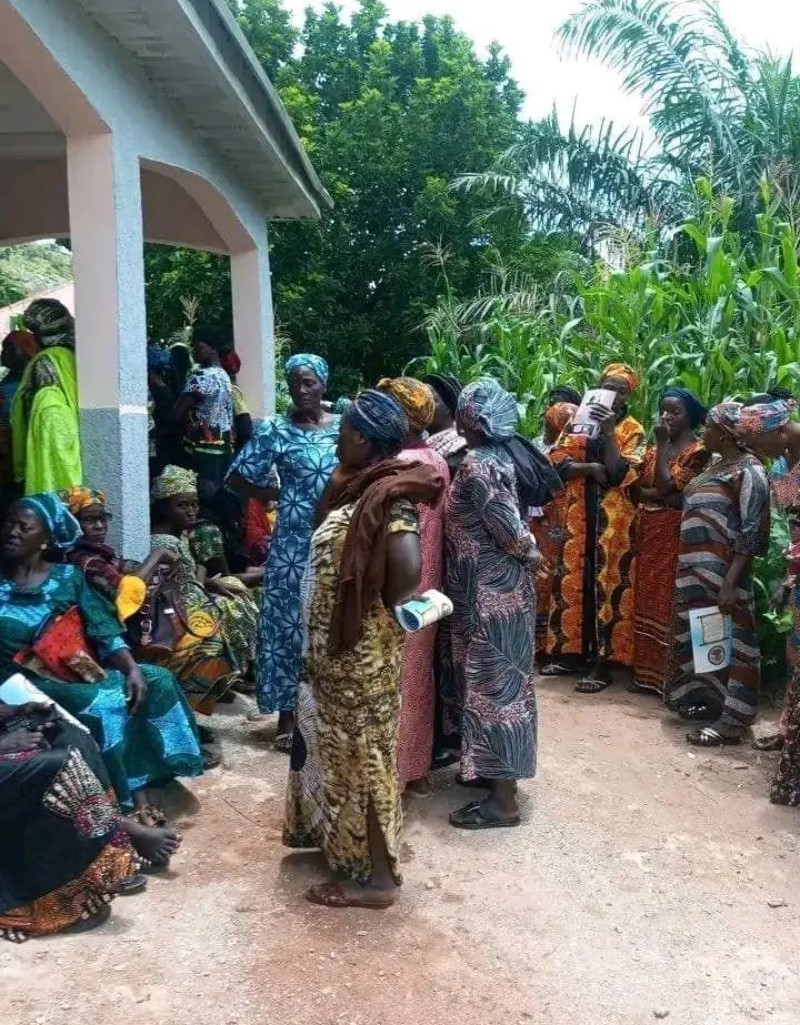
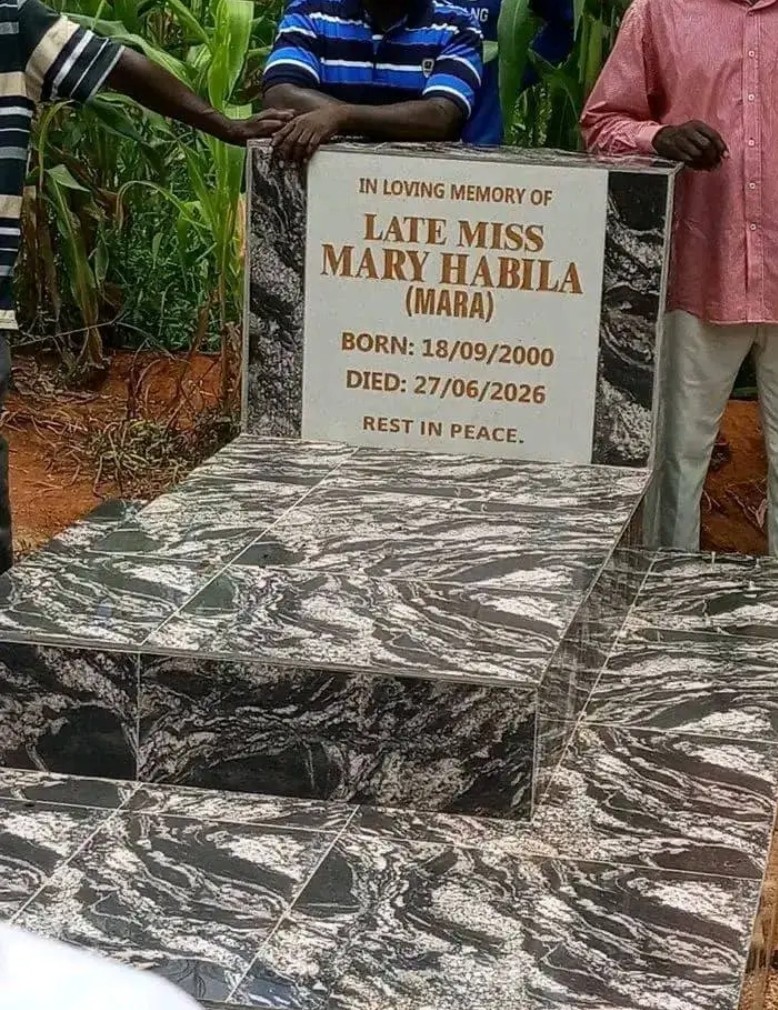
Mary Habila, the 26-year-old medical worker whose death at the Ebonyi State residence of Minister of Works David Umahi sparked controversy, has been buried in Nok, Kaduna State, nearly two months after her death.
Habila was buried on Friday, August 21, 2026, according to reports, following weeks of disagreement over whether an autopsy should be conducted to establish the circumstances and cause of her death.
Habila died on June 27 at Uburu, in the Ohaozara Local Government Area of Ebonyi State. The Ebonyi State Police Command subsequently opened an investigation into the circumstances surrounding her death and said a post-mortem examination was necessary because of the sensitivity of the case.

The proposed autopsy became a major point of disagreement between the police and Habila’s family.
In an affidavit filed before the Ebonyi State High Court on July 13, her father, Tanko Habila Wisdom, said the family would not consent to an autopsy and requested the release of his daughter’s remains for burial.
The family also stated that it did not suspect foul play and asked that further investigation into the death be discontinued.
The police, however, had earlier said they intended to engage a pathologist to conduct the examination. Police spokesperson Joshua Ukandu said investigators considered the autopsy important for scientifically determining the cause of death.
Umahi also called for a forensic examination of Habila’s remains, according to reports. His legal representatives wrote to the Ebonyi State Commissioner of Police requesting a comprehensive autopsy before the body was released for burial.
The minister maintained that a thorough and impartial investigation was necessary to establish the facts surrounding Habila’s death and address questions arising from the incident.
The circumstances surrounding Habila’s employment were also the subject of conflicting descriptions. Umahi had described her as a physiotherapist attached to his medical team, while reports citing her family and other sources identified her as a nurse who had been seconded to the Federal Ministry of Works.
The controversy attracted wider public attention, with the Southern Kaduna Peoples United Association (SOKAPU) calling for an independent investigation and autopsy.
SOKAPU said the examination was necessary to determine the cause of Habila’s death and address concerns surrounding the circumstances in which she died. The group also instituted legal proceedings connected to the case and sought damages over what it described as a suspicious death.
However, the family’s decision to reject the autopsy ultimately remained a central obstacle to the proposed forensic examination.
With Habila now buried, questions surrounding the circumstances of her death remain unresolved in the public domain. Available reports indicate that the police had commenced an investigation, but there has been no publicly released forensic finding establishing the precise cause of death.
The case has therefore continued to generate calls for transparency, particularly over what happened to Habila before she was taken to hospital on June 27 and whether the ongoing investigation will produce definitive answers.
For now, her burial in Kaduna has brought an end to the dispute over the release of her remains, but not to the questions surrounding her death.