
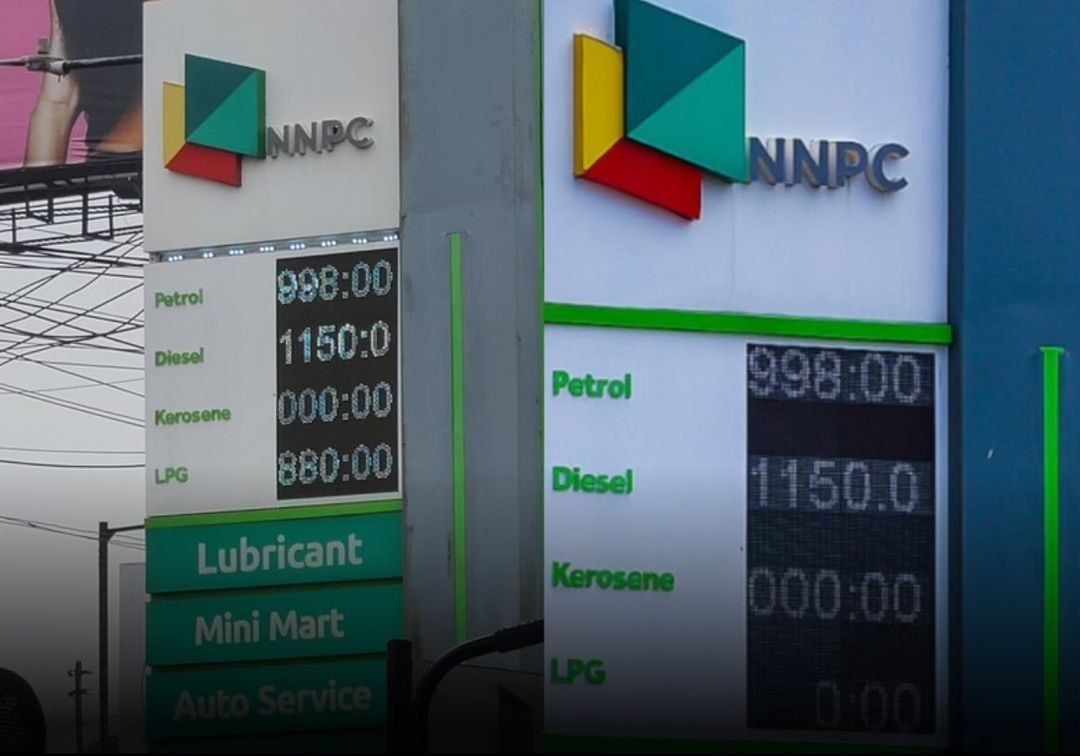
The Nigerian National Petroleum Company Limited (NNPCL) has increased the pump price of Premium Motor Spirit (PMS), commonly known as petrol, to ₦1,345 per litre at some of its filling stations in the Federal Capital Territory.
The latest adjustment represents a ₦75 increase from the previous price of ₦1,270 per litre and took effect on Monday, August 31, 2026, according to checks at NNPCL outlets in parts of Abuja.
The new price was observed at NNPCL stations in areas including Gwarimpa and Wuse Zones 4 and 6.
A staff member at one of the affected NNPCL stations confirmed the adjustment, saying the pump price had been changed to ₦1,345 per litre on Monday.
The latest increase comes less than a week after NNPCL raised its petrol price from ₦1,250 to ₦1,270 per litre on August 25.
The latest retail adjustment comes amid another increase in the cost of petrol supplied by the Dangote Petroleum Refinery.
Reports indicate that the refinery recently increased its petrol gantry price by ₦65 to ₦1,265 per litre, adding to pressure on marketers and retail prices.
Several independent petroleum marketers have also adjusted their prices upwards. MRS, Ranoil, Empire Energy and other marketers reportedly increased their pump prices by between ₦20 and ₦80 per litre over the weekend.
The latest developments have renewed concerns about the impact of rising petrol prices on transportation, food distribution and operating costs for businesses.
The price increases are also occurring as Nigeria continues to rely partly on imported petrol despite the expansion of domestic refining capacity.
Data from the Nigerian Midstream and Downstream Petroleum Regulatory Authority indicated that petrol imports accounted for 43.3 per cent of total supply in July, according to reports.
The Dangote refinery has previously expressed concern over the growing volume of imported petrol and warned that it could restrict supplies to importers and marketers.
For motorists and businesses in Abuja, the latest NNPCL adjustment means another increase in fuel costs within a matter of days.
The extent to which the new NNPCL price will influence pump prices across other parts of the country remains dependent on individual marketers, supply costs and prevailing market conditions.