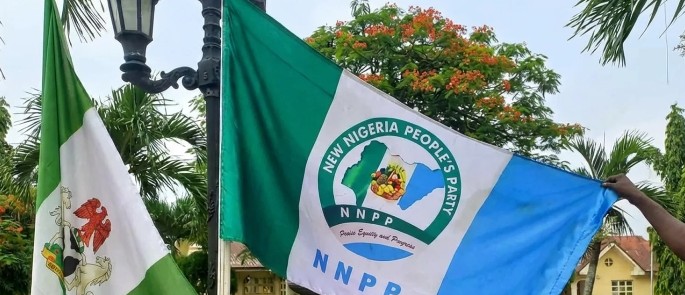
The New Nigeria People’s Party (NNPP) has announced that it will not field a presidential candidate in the 2027 general election, saying it is prioritising efforts to build a broader opposition alliance aimed at challenging the ruling party.
The decision was disclosed by the party’s National Chairman, Bala Yunusa Mohammed, during the NNPP’s 11th National Executive Committee (NEC) meeting held in Abuja on Saturday.
According to Mohammed, the party believes Nigeria’s current political and economic challenges require opposition groups to work together rather than pursue separate presidential ambitions.
“We will not sponsor a presidential candidate in 2027. Our focus is on building a united front with like-minded political parties in the interest of the nation,” he said during the meeting.
The NEC gathering also ratified the outcomes of the party’s recent consensus-based primaries conducted across states and the Federal Capital Territory (FCT), in line with provisions of the Electoral Act 2026. The meeting formally approved candidates selected for various elective positions ahead of the 2027 polls.
The announcement comes amid ongoing discussions among opposition parties over possible coalition arrangements ahead of the next general election. In recent months, several opposition groups have explored the possibility of presenting a common presidential candidate to strengthen their chances against the ruling All Progressives Congress (APC).
Mohammed said the NNPP’s decision was driven by what the party described as the need to place national interest above partisan considerations. He added that the party remains open to negotiations and strategic partnerships with other political organisations committed to democratic reforms and national development.
The NNPP has undergone internal restructuring in recent months following leadership disputes within the party. The party recently said a verification exercise conducted by the Independent National Electoral Commission (INEC) affirmed the legitimacy of its current National Working Committee led by Mohammed.
Political analysts say the move could significantly influence opposition realignments ahead of the 2027 elections, particularly as parties continue consultations over coalition-building and candidate selection strategies.
Nigeria’s 2027 general election is expected to feature intense competition among major political parties, with several opposition blocs already discussing collaborative frameworks aimed at presenting a stronger challenge to the incumbent administration.