
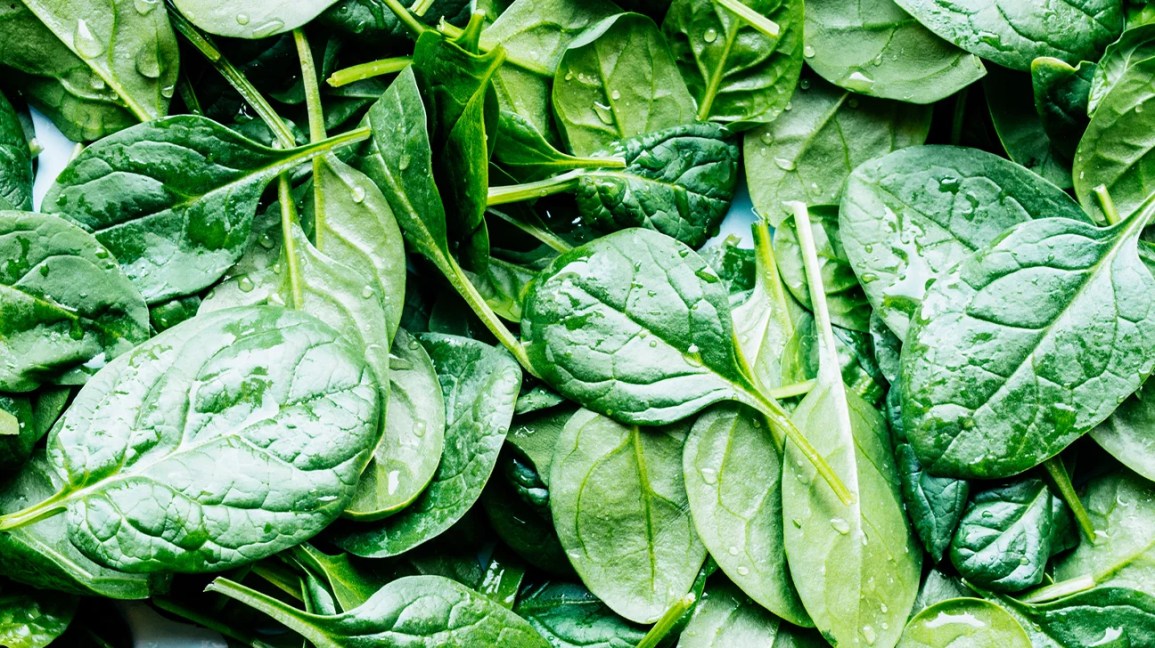
Nutritionists have advised Nigerians to stop having vegetables cut or sliced at open markets before they are washed, warning that the practice could increase the risk of contamination, foodborne illness and nutrient loss.
The practice of asking vegetable sellers to slice leafy vegetables such as and shoko at the point of purchase is common in some Nigerian markets. However, experts said handling the produce in open-market environments could expose it to contaminants from dirty surfaces, hands, utensils and surrounding conditions.
A registered dietician-nutritionist and Assistant Director of Dietetics with the Lagos State Health Service Commission, Olusola Malomo, described cutting vegetables before washing them as unhealthy.
According to Malomo, washing vegetables after they have been sliced can cause some water-soluble nutrients to be lost. He therefore advised consumers to wash vegetables first and cut them afterwards.
He also raised concerns about possible exposure to agricultural chemicals, including pesticides and insecticides, before the vegetables reach the market.
“When you do a qualitative analysis of the vegetables sliced in the market and washed, and those that were bought, brought home and washed before slicing, you will find that the ones that were washed before slicing have more nutrients than those that were sliced in the market before washing,” Malomo said.
Another registered dietician-nutritionist, Nwabumma Asouzu, noted that raw vegetables could become contaminated through contact with sellers’ hands or unhygienic surfaces.
She said consumers should pay attention not only to the appearance of vegetables but also to how they are handled before purchase and preparation.
The experts’ warning comes amid broader concerns about food safety and the consequences of consuming contaminated food.
The World Health Organisation says unsafe food contaminated by bacteria, viruses, parasites or harmful chemicals can cause more than 200 diseases, ranging from diarrhoeal illnesses to certain cancers.
The WHO reported in June 2026 that unsafe food causes an estimated 866 million illnesses and 1.5 million deaths globally every year, with children under five particularly vulnerable.
Nutritionists therefore advised consumers to take responsibility for food hygiene from the point of purchase through preparation.
Rather than allowing vegetables to be sliced in the market, consumers are advised to buy them whole, wash them properly at home and then cut them with clean utensils on a clean surface.
Experts also cautioned against assuming that vegetables that appear clean are necessarily free from harmful microorganisms or chemical residues.
The advice is aimed at encouraging safer food-handling practices while helping consumers retain as much of the nutritional value of fresh vegetables as possible.