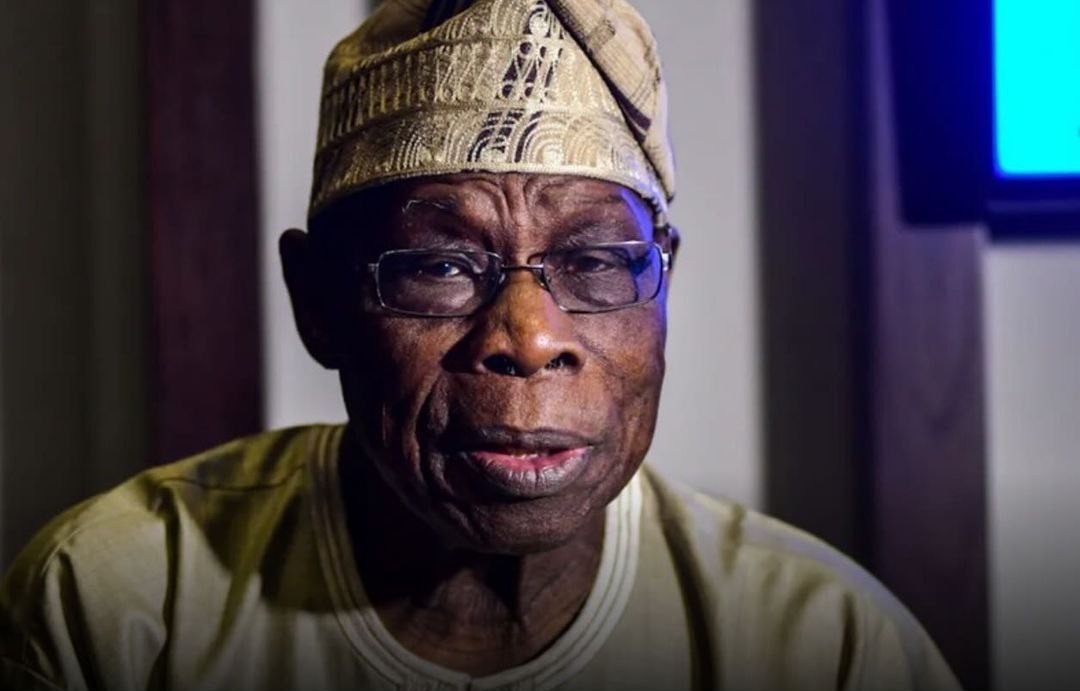
Former President Olusegun Obasanjo has criticised the management of Nigeria’s state-owned refineries, stating that they are unlikely to function efficiently under government control.
Speaking during an interview on Sony Irabor Live aired on Sunday, Obasanjo said the continued challenges facing facilities operated by the Nigerian National Petroleum Company Limited are largely due to systemic issues, including inefficiency and corruption, rather than technical limitations.
The former president referenced past efforts during his administration to involve international oil companies in managing the refineries, including discussions with Shell. According to him, the proposal was declined over concerns related to operational scale, maintenance standards, profitability, and governance.
Obasanjo also revisited the 2007 decision to reverse the partial sale of the Port Harcourt and Kaduna refineries to private investors, including Aliko Dangote and Femi Otedola. The deal, initially approved during his tenure, was later cancelled under former President Umaru Musa Yar’Adua.
He expressed the view that the reversal contributed to ongoing inefficiencies and rising maintenance costs, noting that significant public funds have since been spent on refinery rehabilitation with limited results.
Obasanjo argued that greater private sector involvement is necessary to improve performance, citing the success of the Nigeria LNG Limited as an example of a more effective operational model.
His comments come amid ongoing efforts by the NNPC to engage private partners to manage the refineries, following repeated attempts to restore operations at the Port Harcourt and Warri plants.
As of Monday, the NNPC had not issued an official response to the remarks, though the company has previously acknowledged that the refineries are operating below optimal capacity.
The debate over the future of Nigeria’s refining sector continues, with stakeholders divided over the balance between public ownership and private sector participation.