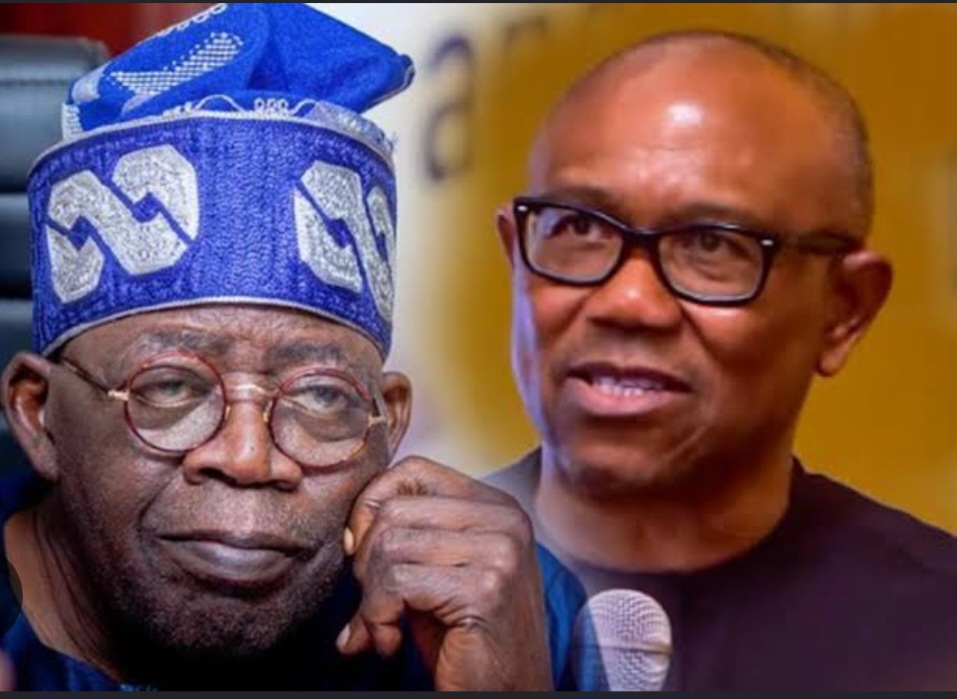
Former Labour Party presidential candidate, Peter Obi, has challenged the economic performance claims of President Bola Ahmed Tinubu’s administration, arguing that increased government revenue has failed to translate into improved living conditions for Nigerians.
Obi expressed concern over what he described as a widening gap between official economic figures and the realities faced by citizens, insisting that rising public debt, inflation, and worsening hardship continue to overshadow government claims of economic progress.
In a statement released on Tuesday, the former Anambra State governor questioned the administration’s repeated emphasis on revenue growth, saying the key measure of economic success should be the impact on the lives of ordinary Nigerians rather than headline figures.
According to Obi, while government officials have highlighted improvements in revenue generation since the removal of fuel subsidies and other economic reforms, the country’s debt profile has continued to expand, placing an increasing burden on future generations.
He argued that despite reports of higher earnings by government agencies, millions of Nigerians are grappling with soaring food prices, high transportation costs, unemployment, and declining purchasing power. Obi maintained that the economic reforms introduced by the Tinubu administration have imposed significant hardship on citizens without delivering corresponding improvements in welfare and productivity.
“The true measure of economic management is not the amount of revenue collected but how that revenue improves the quality of life of the people,” Obi stated, calling for greater accountability in the management of public finances.
The former presidential candidate also demanded increased transparency from the federal government regarding the use of funds generated from subsidy removal and other fiscal measures. He urged authorities to provide detailed accounts of how additional revenues have been spent and the specific projects or interventions they have financed.
Obi further stressed the need for prudent borrowing and responsible fiscal management, warning that continued accumulation of debt without visible economic returns could worsen Nigeria’s long-term financial challenges.
His remarks come amid ongoing debates over the impact of the Tinubu administration’s economic reforms, particularly the removal of fuel subsidies and the unification of foreign exchange rates. While government officials have defended the policies as necessary steps to stabilize the economy and attract investment, critics argue that the reforms have contributed to a sharp rise in the cost of living.
The Federal Government has repeatedly maintained that the reforms are beginning to yield positive results, citing improvements in government revenue, increased investor confidence, and efforts to strengthen public finances.
However, Obi insisted that economic indicators must be assessed alongside the welfare of citizens, urging policymakers to prioritize measures that promote production, job creation, poverty reduction, and sustainable economic growth.
As discussions over Nigeria’s economic direction continue, Obi’s criticism adds to growing calls for greater transparency and a clearer demonstration of how government revenues are being used to improve the lives of Nigerians.