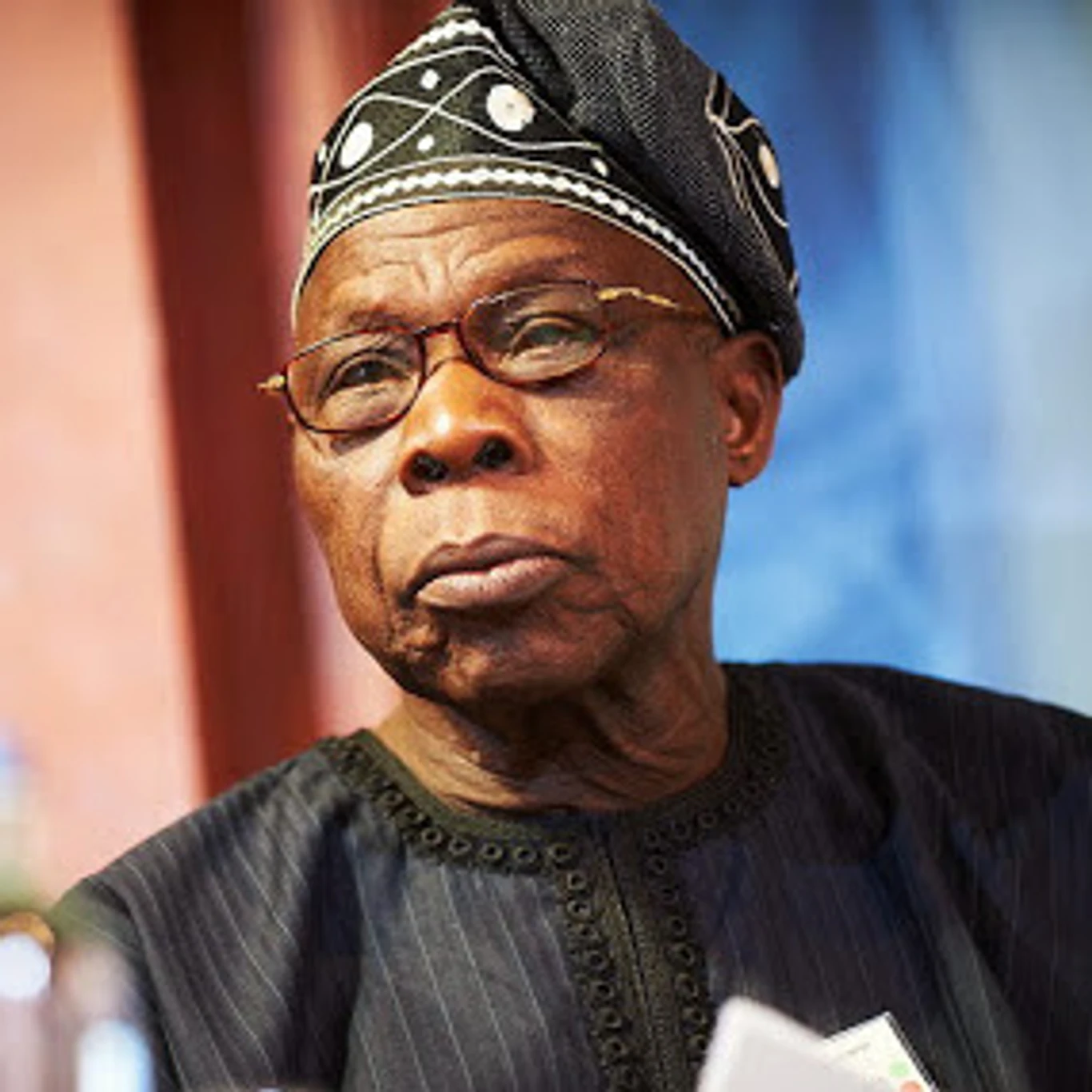
Former Nigerian President Olusegun Obasanjo has warned that some of the underlying issues that triggered the country’s 1967–1970 Civil War remain unresolved, urging leaders at all levels to address them before they escalate into deeper national challenges.
Obasanjo made the observation while reflecting on Nigeria’s history and the lessons that should be drawn from the civil war, popularly known as the Biafran War. According to him, although the conflict ended more than five decades ago, several of the political, social, and economic conditions that contributed to the outbreak of the war continue to persist.
The elder statesman stressed that the country must avoid repeating the mistakes of the past by promoting justice, equity, inclusion, and responsible leadership. He noted that lasting peace can only be achieved when citizens have confidence that every region and ethnic group is treated fairly and given equal opportunities.
Obasanjo emphasized that national unity should not be taken for granted, warning that unresolved grievances and feelings of marginalisation have the potential to threaten the country’s stability if left unaddressed.
According to him, Nigeria’s diversity should be viewed as a strength rather than a source of division. He called on political leaders to place national interest above personal or sectional considerations and work collectively toward building a more united and prosperous nation.
The former president also urged Nigerians to learn from history, arguing that understanding the circumstances that led to the civil war is essential to preventing future conflicts. He said the sacrifices made during the conflict should serve as a constant reminder of the devastating consequences of division, intolerance, and political failure.
Obasanjo maintained that dialogue, mutual respect, and inclusive governance remain the most effective tools for resolving disagreements in a democratic society. He encouraged leaders to engage citizens constructively, address legitimate concerns through constitutional means, and foster policies that promote social cohesion and economic development.
The Nigerian Civil War, fought between 1967 and 1970 following the declaration of the secessionist Republic of Biafra, remains one of the darkest chapters in the country’s history. The conflict claimed an estimated one to three million lives, many of them civilians who died from starvation and disease, and left lasting political, economic, and humanitarian consequences.
More than five decades after the war ended with the Federal Government’s policy of “No Victor, No Vanquished,” debates over national unity, restructuring, equity, federal character, resource control, and inclusion continue to shape Nigeria’s political discourse.
Obasanjo’s latest remarks add to longstanding calls by statesmen, civil society groups, and policy experts for sustained efforts to strengthen national integration and tackle the structural issues that continue to fuel tensions across the country. His comments underscore the need for leaders to draw lessons from history while pursuing reforms that promote justice, peace, and sustainable national development.