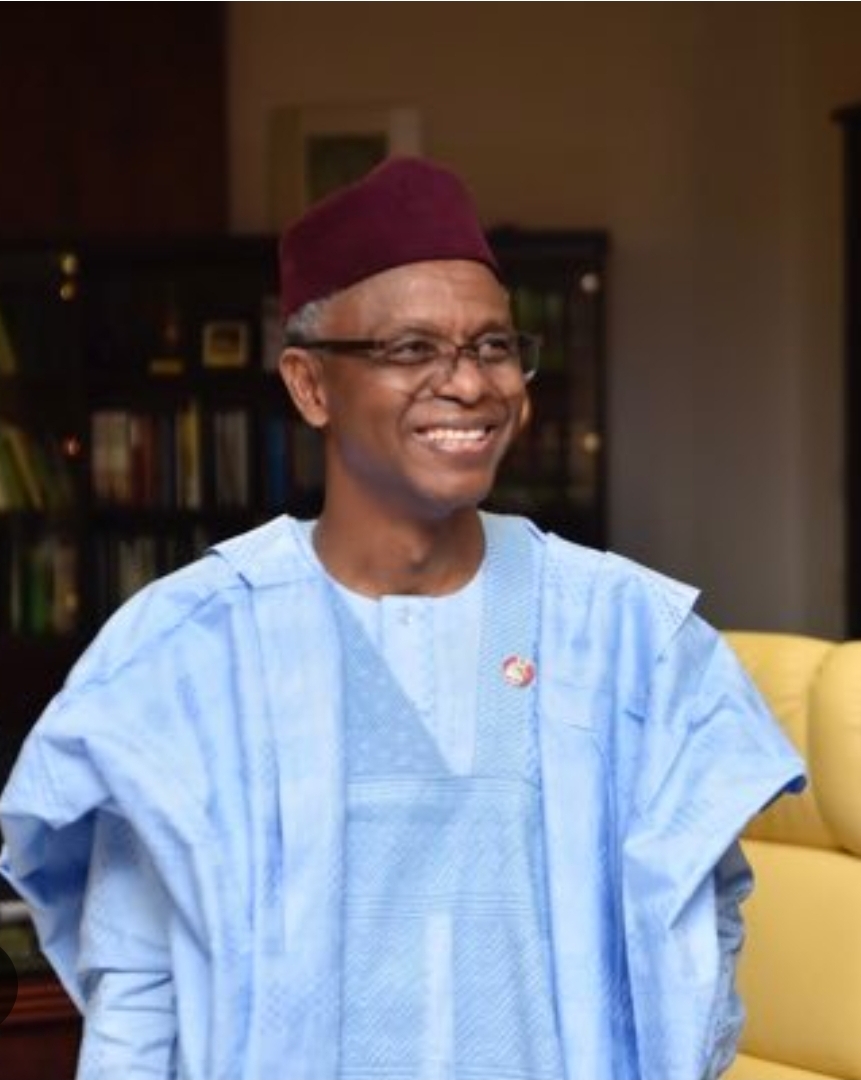
A support group aligned with former Kaduna State Governor, Nasir El-Rufai, has reportedly engaged the services of United States-based lobbyists to draw international attention to his ongoing trial by the Independent Corrupt Practices and Other Related Offences Commission (ICPC).
The development comes amid growing political and legal controversy surrounding the prosecution of the former governor, who is facing multiple charges related to alleged abuse of office, fraud, money laundering and financial misconduct during his tenure as governor of Kaduna State. El-Rufai has consistently denied all allegations and has pleaded not guilty to the charges.
According to sources familiar with the matter, the lobbyists were retained to engage policymakers, human rights organisations and international stakeholders in Washington, D.C., with the aim of presenting what the group describes as concerns over due process, judicial independence and the treatment of opposition figures in Nigeria.
The support group reportedly argues that El-Rufai’s prosecution is politically motivated and intended to weaken opposition voices ahead of future political contests. However, Nigerian authorities have maintained that the case is strictly a legal matter based on the outcome of investigations conducted by the anti-corruption agency.
The ICPC has repeatedly stated that its actions against the former governor are guided by the law and court orders. The commission has insisted that the prosecution follows due process and that all proceedings are being conducted in accordance with Nigeria’s legal framework.
The anti-graft agency filed charges against El-Rufai and one of his associates, Joel Adoga, alleging offences linked to the conversion and possession of proceeds of corruption, as well as money laundering. The Federal High Court in Kaduna granted El-Rufai bail under strict conditions while trial proceedings continue.
In recent months, the case has attracted political attention, particularly following complaints by the African Democratic Congress (ADC) over restrictions placed on party leaders seeking access to El-Rufai while he was in ICPC custody. The commission subsequently explained that visitation rights were limited to family members, doctors and legal representatives in line with court directives.
Political analysts say the decision by El-Rufai’s supporters to seek international advocacy reflects the increasing globalisation of domestic political disputes, where interested groups attempt to influence international opinion regarding legal and governance issues within their countries.
Neither El-Rufai nor his legal team has publicly commented on the reported engagement of the US lobbyists. Likewise, no official response had been issued by the Federal Government or the ICPC regarding the reported lobbying effort as of the time of filing this report.
The case remains before the courts, with both the prosecution and defence expected to continue presenting arguments as hearings progress. Observers note that the outcome of the trial could have significant implications for Nigeria’s anti-corruption efforts and the country’s evolving political landscape.