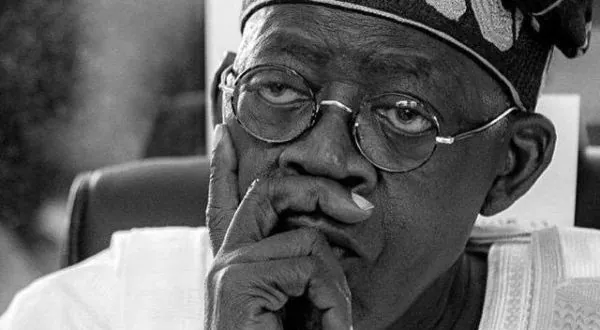
President Bola Ahmed Tinubu has called on Nigerian media organisations and journalists to exercise greater responsibility in their coverage of insecurity, urging them not to become “megaphones for terrorists and kidnappers” through sensational or unverified reporting.
The President made the appeal while speaking at the State House Media Dinner in Abuja, where he underscored the critical role of the press in safeguarding democracy and promoting national unity.
Addressing journalists, Tinubu stressed that the media and government share a common responsibility to serve the Nigerian people and protect the country’s democratic institutions. While reaffirming his administration’s commitment to press freedom, he urged media practitioners to ensure that their reports are factual, balanced, and guided by the national interest.
“We must protect our nation,” the President said, warning that the activities and propaganda of criminal groups should not be amplified in ways that spread fear, embolden perpetrators, or undermine public confidence in the country’s security institutions.
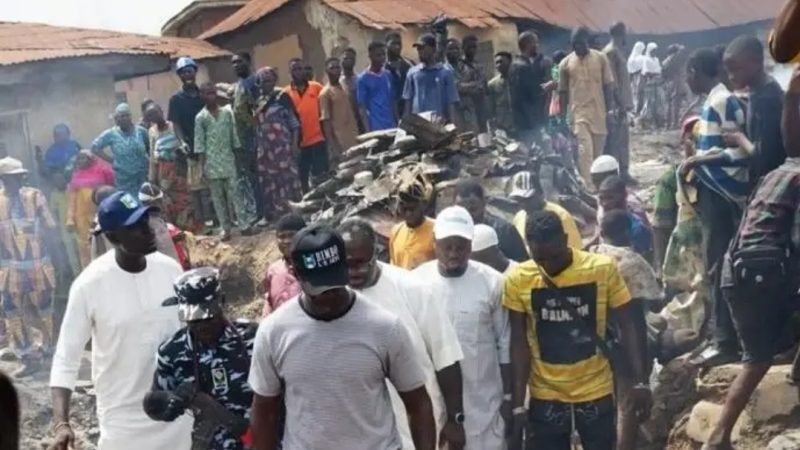
Tinubu noted that terrorism, banditry, kidnapping, and other forms of violent crime remain significant threats to national security, adding that the media’s approach to reporting such incidents can either contribute to national resilience or inadvertently serve the objectives of criminal elements.
He encouraged journalists to prioritise accuracy and verification in their reporting, particularly on security-related matters, while avoiding the dissemination of misinformation, inflammatory content, or unsubstantiated claims capable of heightening public anxiety.
The President also described the relationship between the government and the media as a partnership founded on the shared objective of strengthening democracy and promoting good governance. According to him, constructive journalism plays a vital role in holding public officials accountable while informing citizens and fostering national development.
Tinubu acknowledged the sacrifices and contributions of media professionals in advancing democratic governance in Nigeria, noting that a free and responsible press remains essential to transparency, accountability, and civic participation.
However, he stressed that press freedom should be exercised with a strong sense of responsibility, especially at a time when the country continues to confront complex security challenges.
The President’s remarks come amid ongoing efforts by security agencies to combat terrorism, kidnapping, and armed banditry in several parts of the country. These security threats have continued to dominate national discourse, prompting renewed calls for greater collaboration among government institutions, the media, and the public.
Media ethics experts have long maintained that while the press has a duty to report security developments in the public interest, journalists must also avoid publishing content that could compromise security operations, glorify criminal groups, or unintentionally advance their propaganda.
Tinubu concluded by reaffirming his administration’s commitment to engaging constructively with the media, expressing confidence that continued cooperation between the government and journalists would help strengthen democracy, promote informed public discourse, and support efforts to build a safer and more secure Nigeria.