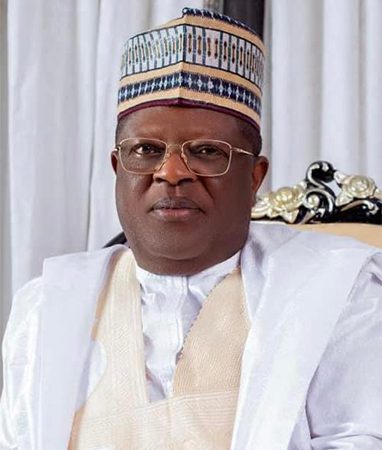

Vice President Kashim Shettima has said that effective leadership requires courage, resilience, and the willingness to make difficult decisions, asserting that leadership is “not meant for nice men.”
Shettima made the remark while speaking at a public event, where he reflected on the demands of leadership and the qualities required to govern effectively, particularly in challenging times.
According to the Vice President, leaders are often confronted with complex decisions that may not always be popular but are necessary for the greater good of society.
“Leadership is not meant for nice men,” Shettima said, explaining that those entrusted with public office must possess the courage to take tough decisions in pursuit of national development and the public interest.
He stressed that leadership should not be driven by the desire for personal approval or popularity but by a commitment to serving the people and addressing pressing national challenges.
The Vice President noted that difficult reforms and policy choices are sometimes unavoidable, especially when governments seek to implement long-term solutions to economic and governance issues.
He argued that history has shown that transformational leaders are often remembered not for making popular decisions but for taking actions they believed were necessary to secure lasting progress.
Shettima also emphasised the importance of integrity, vision, and accountability, saying these qualities should guide leaders as they navigate the responsibilities of public office.
While acknowledging that difficult decisions can attract criticism, he maintained that leaders should remain focused on achieving sustainable outcomes rather than seeking short-term political gains.
The Vice President’s comments come amid ongoing national conversations about governance, economic reforms, and leadership in Nigeria.
His remarks are likely to generate debate over the balance between decisive leadership and public accountability, particularly as governments continue to implement policies aimed at addressing economic and security challenges.
Political analysts note that leaders often face competing interests and difficult choices, making effective decision-making a critical aspect of governance.
They also argue that while decisive leadership is important, transparency, consultation, and responsiveness to citizens remain essential components of democratic governance.
Shettima reiterated that leadership demands sacrifice, responsibility, and a willingness to make decisions that may be difficult but necessary for national progress.
He urged current and aspiring leaders to remain steadfast in pursuing policies they believe will strengthen institutions, improve governance, and advance the country’s long-term development, even when such decisions prove unpopular in the short term.