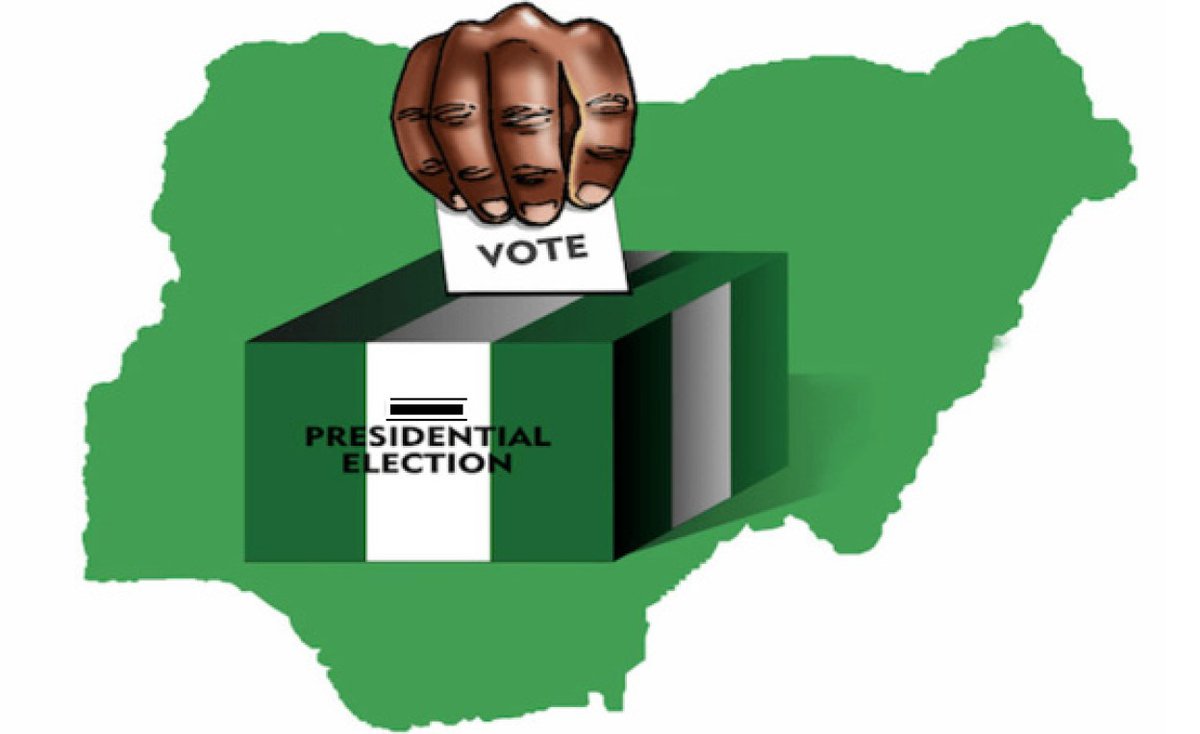
Nigeria’s 2027 presidential election is rapidly emerging as one of the most complex and fragmented political contests in the country’s Fourth Republic, following sweeping party realignments, coalition breakdowns, and the formal declaration of multiple high-profile candidates across major and emerging political platforms.
Under the revised Electoral Act, which has introduced stricter nomination timelines and tightened compliance requirements for political parties, the Independent National Electoral Commission (INEC) has begun early-stage monitoring of party primaries and candidate submissions. The accelerated timetable has forced parties to conclude internal processes earlier than in previous election cycles, producing a highly competitive and unusually crowded field.
President Bola Ahmed Tinubu has secured the presidential ticket of the All Progressives Congress (APC) through a direct primary process, positioning the ruling party as the most structurally unified major bloc entering the race. The APC’s campaign is expected to focus on economic reforms, fiscal stabilisation measures, and national security strategy as the administration seeks a second term in office.
Party officials maintain that early consolidation gives the president a strategic advantage over a fragmented opposition struggling to maintain cohesion.
The opposition landscape has undergone significant restructuring following the collapse of earlier coalition negotiations within the African Democratic Congress (ADC) and allied blocs. The fallout led to the emergence of the Nigeria Democratic Congress (NDC), a new political platform that has quickly become a central force in the 2027 race.
Former Anambra State governor Peter Obi has been confirmed as the NDC presidential candidate, while former Kano State governor Rabiu Kwankwaso has been named his running mate. The pairing is being positioned as a strategic north–south alliance aimed at consolidating youth-driven reformist movements in the South with established grassroots political structures in the North.
Political analysts say the Obi–Kwankwaso ticket represents one of the most significant opposition realignments ahead of the election cycle.
Former Vice President Atiku Abubakar remains a key contender under the African Democratic Congress (ADC), following renewed internal restructuring within the party. His campaign is expected to focus on economic restructuring, constitutional reform, and private-sector-led growth.
Adewole Adebayo is once again contesting under the Social Democratic Party (SDP), where he continues to advocate for governance reforms, institutional accountability, and anti-corruption measures.
Human rights activist Omoyele Sowore has also declared his candidacy under the African Action Congress (AAC), bringing a radical reformist platform centred on systemic political change, youth mobilisation, and governance overhaul.
In another major development, Oyo State Governor Seyi Makinde has entered the presidential race under a newly formed APM–PDP alliance platform. The coalition, built through cooperation between the Allied Peoples Movement (APM) and elements of the Peoples Democratic Party (PDP), is being described as a pragmatic attempt to consolidate reform-minded political interests outside the traditional party structures.
Makinde’s campaign is expected to highlight subnational governance achievements, infrastructure development, and economic decentralisation.
With multiple strong contenders now formally declared, Nigeria’s 2027 race is increasingly defined by fragmentation across both ruling and opposition blocs. While the APC enters the contest with a relatively unified structure behind the incumbent president, opposition votes are expected to be split across the ADC, NDC, SDP, AAC, and emerging alliance platforms such as the APM–PDP bloc.
Political observers warn that the absence of a unified opposition front could significantly reshape electoral dynamics, potentially benefiting the ruling party unless new coalition efforts emerge before the campaign season intensifies.
Across all platforms, three major national issues are expected to dominate the political discourse: economic stabilisation amid rising inflation and cost-of-living pressures, insecurity linked to armed groups operating in forested regions across several states, and electoral integrity under the new legal framework governing nominations and party operations.
As INEC continues to supervise early compliance processes and party preparations, analysts describe the 2027 election as one of the most unpredictable and structurally fluid in Nigeria’s recent democratic history.
With campaign activities gradually intensifying nationwide, the coming months are expected to further test party cohesion, coalition durability, and the ability of candidates to consolidate national support in an increasingly competitive political environment.