
The United States military has launched a new wave of strikes against Iran, saying the operation was carried out in response to attacks on commercial vessels transiting the strategically important Strait of Hormuz.
In a statement released on Tuesday, the United States Central Command said its forces had begun “a series of powerful strikes” intended to impose what it described as “heavy costs” on Iran for allegedly targeting civilian commercial shipping.
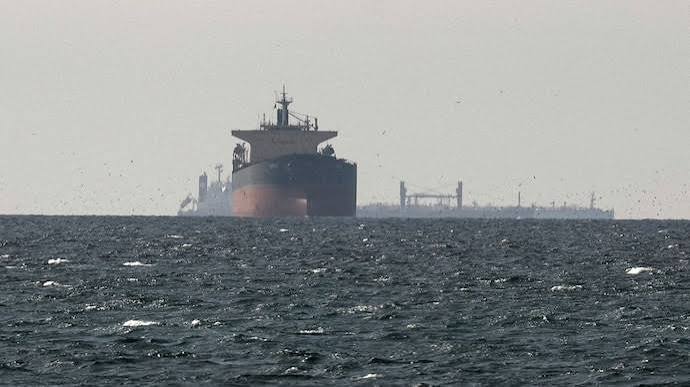
According to CENTCOM, the military action followed attacks on three commercial vessels navigating the Strait of Hormuz, one of the world’s busiest maritime routes for global oil and gas exports. The U.S. described the alleged attacks as an unwarranted act of aggression and a violation of an existing ceasefire arrangement.
While U.S. officials did not immediately disclose the specific targets of the operation, Iranian media reported explosions in southern parts of the country, including the area around Sirik and Bandar Abbas. Reports indicated that projectiles struck locations near the Taheroui Pier in Sirik, although the extent of the damage was not immediately clear.
The latest military action marks the first publicly announced U.S. strikes against Iran since hostilities between the two countries eased following an earlier ceasefire reached after weeks of confrontation. The renewed exchange has raised concerns that diplomatic efforts to stabilize the region could be undermined.
Iran strongly condemned the strikes, accusing Washington of violating the ceasefire agreement and escalating tensions in the region. Iranian officials have also criticized the United States over the reimposition of restrictions affecting Iranian oil exports, arguing that the moves undermine ongoing negotiations.
The developments have heightened concerns over security in the Strait of Hormuz, a critical waterway through which a significant share of the world’s crude oil and liquefied natural gas supplies passes. Any disruption to shipping in the area has the potential to affect global energy markets and international trade.
Financial markets reacted to the renewed tensions, with crude oil prices rising amid fears that the conflict could disrupt energy supplies and increase risks for commercial shipping operating in the Gulf region.
The latest escalation comes as diplomatic efforts to reduce tensions between Washington and Tehran remain fragile. Analysts warn that continued military exchanges could further complicate negotiations over regional security, maritime navigation, and Iran’s nuclear programme, while increasing uncertainty across the Middle East.