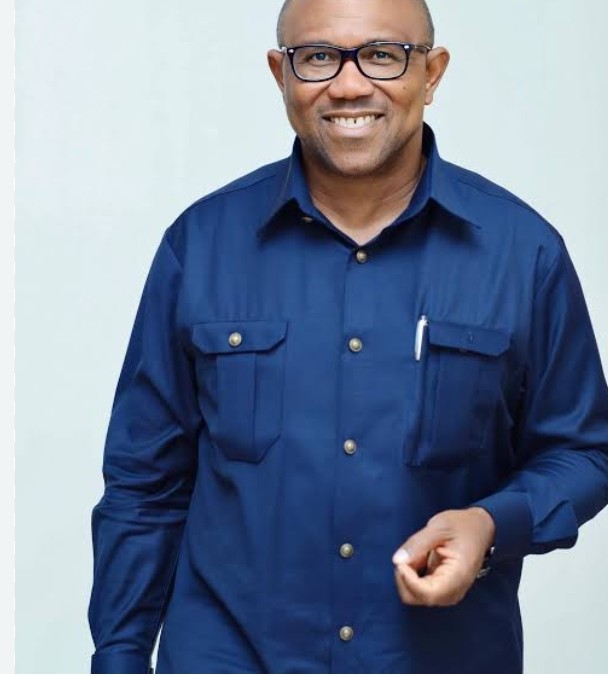
Nigeria Democratic Congress (NDC) presidential candidate Peter Obi has expressed fears about his personal safety, saying he may not be alive to contest the 2027 presidential election as he alleged that the current administration is frustrating his activities and targeting opposition figures.
Obi made the remarks during an interview with media personality Chude Jideonwo, where he was asked about his political future and the possibility of contesting the next presidential election.
Responding to the question, the former Anambra State governor said his concern extended beyond whether he would emerge as a candidate, suggesting that he could even lose his life before the election.
“Not even a candidate. I might not even be alive,” Obi said, alleging that “every single thing” he does is being deliberately frustrated by the government
Obi, however, stopped short of making a direct accusation against any specific individual or institution. Instead, he cited what he described as repeated incidents of obstruction in his daily activities.
He recounted an encounter at an airport where, according to him, officials allegedly prevented his vehicle from moving despite identifying himself. Obi also claimed that some of his associates now avoid publicly greeting or inviting him to social events because they fear being linked to him.
The opposition figure said the experiences reflect what he believes is an increasingly difficult environment for opposition politicians, arguing that democratic space should allow political actors to operate without intimidation or undue interference.
Obi’s comments come amid heightened political activity ahead of the 2027 general election, with major political parties and aspirants already positioning themselves for the contest. He had earlier confirmed his intention to seek the presidency under the Nigeria Democratic Congress after securing the party’s nomination.
As of the time of reporting, the Federal Government had not publicly responded to Obi’s latest allegations.
The remarks have since generated widespread reactions across the political landscape and on social media. While some supporters described his comments as a reflection of the challenges facing opposition politicians, others called for evidence to substantiate the allegations and urged political leaders to avoid rhetoric capable of heightening tensions.
Political analysts say the development underscores the increasingly charged atmosphere ahead of the 2027 elections, with issues surrounding political tolerance, security and democratic freedoms expected to remain at the forefront of national discourse.
As preparations for the next general election gather pace, stakeholders have continued to call on political leaders, security agencies and electoral institutions to ensure a peaceful, transparent and inclusive democratic process in which all contestants can participate freely and safely.