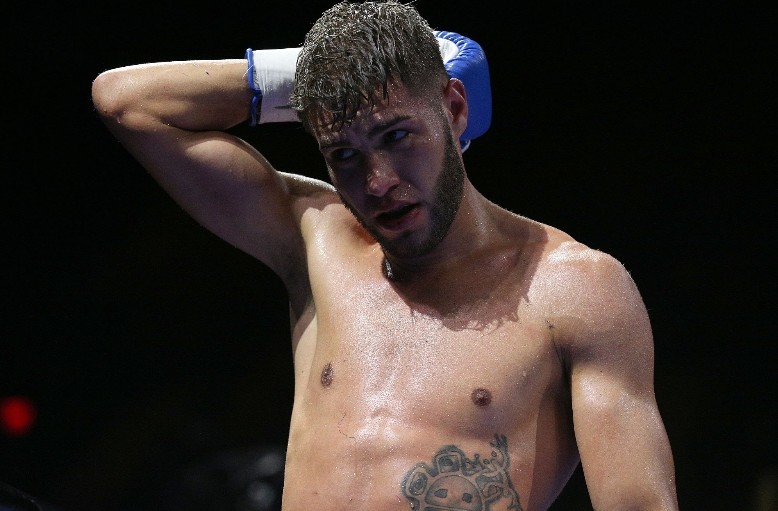
Prichard Colón, the once-unbeaten Puerto Rican boxer whose career and life were upended by a catastrophic brain injury in the ring, has died at age 33. His death was confirmed in statements by the World Boxing Council and the World Boxing Organization late Thursday.
Colón’s father and former trainer, Richard Colón, announced the news on Facebook. He wrote that he regretted informing people of his son’s passing, adding that Prichard was “now in a better place.” He also said he had tried to fulfill his son’s wish of taking a vacation to Puerto Rico but was unable to make it happen.
Before the injury that changed his life, Colón was considered one of boxing’s brightest prospects. The junior middleweight built an unblemished 16-0 record with 13 knockouts, and many in the sport viewed him as a future champion.
That trajectory ended on October 17, 2015, when Colón faced Terrel Williams in a light-middleweight bout in the Washington, D.C., suburb of Fairfax, Virginia. During the fight, Colón repeatedly complained about, and was knocked down once by, blows to the back of his head.
After the fight, Colón collapsed and was taken to the hospital, where doctors discovered a subdural hematoma that required emergency surgery. The WBC later said Colón sustained “irreversible neurological damage” due to what the organization described as “severe, illegal blows to the back of the head.”
Colón spent 221 days in a coma following repeated blows to the neck, and when he eventually woke up, he was unable to walk or talk. He was ultimately left in a persistent vegetative state and under family care, spending the rest of his life under the near-constant care of his parents.
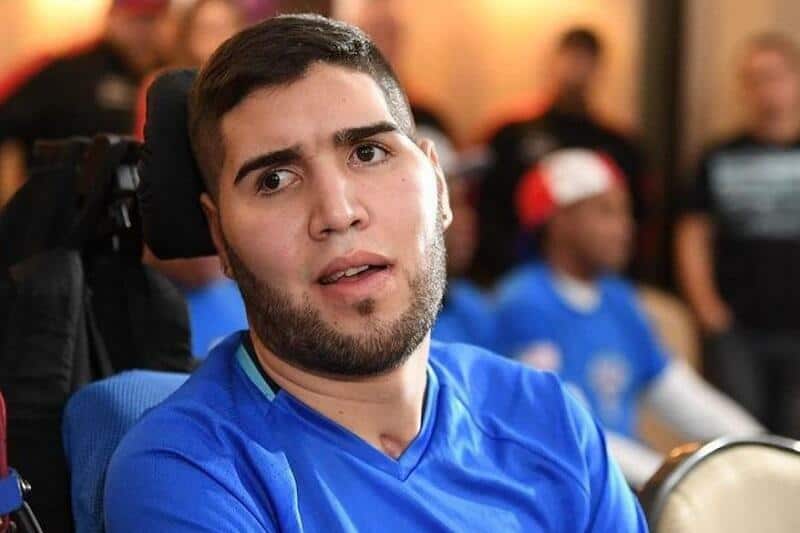
Beginning in 2018, Colón received physical, occupational and speech therapy at Brooks Rehabilitation in Florida. Luke Davidson, the facility’s outpatient center manager, said Colón was “full of personality” and continued to fight every day, calling him “an inspiration for every patient and therapist who knew him.” Davidson noted that Colón showed slow but steady physical progress and communicated through head nods and facial expressions despite ongoing speech difficulties.
His family also documented parts of his recovery on social media, including videos of him celebrating birthdays, attending physical therapy sessions, and dancing with his mother, according to Remezcla.
His exact cause of death has not been disclosed.
Colón’s injury led to lasting changes in boxing safety rules. In 2016, the WBC introduced what became known as the “Prichard Colón Rule,” which instructs referees to apply zero tolerance to punches to the back of the head.
In its statement, the WBO called Colón “a warrior until the very end,” saying his “courage, strength and fighting spirit transcended the ring.” The organization added that his fight for survival “became a testament to resilience and the unwavering love of his family.”
Colón is survived by his parents and sister, who cared for him throughout his more than decade-long recovery.