
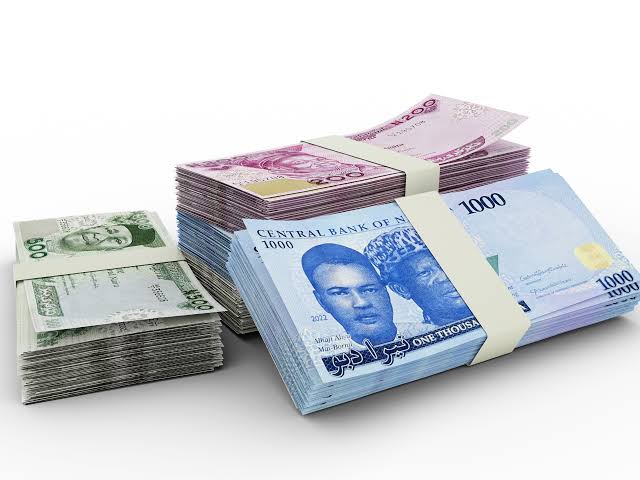
As August draws to a close, Nigerian households are ending the month with a mixed picture of prices. While some essential items, including petrol and cooking gas, became cheaper in parts of the country, food prices continued to put pressure on household budgets.
The latest figures from the National Bureau of Statistics (NBS) show that Nigeria’s headline inflation rate eased from 15.91 per cent in June to 15.43 per cent in July 2026. However, the improvement did not translate into broad-based relief for food shoppers, as food inflation rose sharply to 20.31 per cent year-on-year in July.
One of the clearer areas of relief during August was the fuel market. Dangote Petroleum Refinery reduced its ex-depot petrol price from ₦1,215 to ₦1,165 per litre, while diesel fell from ₦1,650 to ₦1,570 per litre. The reductions subsequently prompted several retailers to adjust pump prices.
NNPC retail outlets in Lagos and Abuja also reduced petrol prices early in the month, with the Lagos price falling to about ₦1,265 per litre and Abuja to ₦1,335 per litre at the time. Further reductions were reported at several filling stations later in August.
Cooking gas also offered some relief. A Lagos market survey found that the cost of refilling a 12.5kg cylinder fell by 25 per cent in July, from ₦25,000 to ₦18,750, while a 5kg refill dropped from ₦10,000 to ₦7,500. The lower prices continued to provide some relief to households that rely on LPG for cooking.
But the picture was very different in food markets. In Lagos, the same market survey recorded a 40 per cent increase in the price of a large bag of onions, which rose from ₦75,000 in June to ₦105,000 in July. Beans, egusi, pepper, pasta, rice and some other food products also recorded increases. Traders attributed some of the rises to seasonal supply shortages, storage costs and higher wholesale prices.
Some food items, however, moved in the opposite direction. Tomatoes became cheaper as fresh supplies increased, while the price of horse mackerel and some packaged foods also declined. This illustrates why consumers may experience the economy differently depending on what they buy and where they shop.
Transportation also remains a major concern. Although lower petrol prices could eventually reduce some transport and logistics costs, the benefit has not necessarily translated immediately into cheaper fares or food. Transportation costs remain an important component of the prices consumers pay for goods, particularly as food moves from farms and wholesale markets to urban centres.
The contrasting movements highlight an important distinction between inflation falling and prices actually falling. A decline in the inflation rate means prices are increasing at a slower pace; it does not mean that most goods have returned to their previous prices.
For many Nigerians, therefore, the end of August does not necessarily feel like a return to normal. Petrol and cooking gas have provided some relief, but rising food costs continue to absorb a significant portion of household income.
The broader economic picture is gradually improving in some areas, with stronger growth, increased foreign-exchange reserves and improved external conditions contributing to greater economic stability. Moody’s recently revised Nigeria’s economic outlook from stable to positive, although it also noted continuing fiscal pressures and limited revenue capacity.
For ordinary households, however, the most important question remains simple: how much can today’s income buy?
As September begins, that will likely remain the real measure of whether Nigeria’s improving economic indicators are translating into meaningful relief for families.