
Nigerian health authorities have intensified nationwide preparedness measures following renewed concerns over potential Ebola Virus Disease (EVD) risks in parts of West Africa, reinforcing surveillance at airports, border points, and healthcare facilities as part of efforts to prevent any possible outbreak.
The Nigeria Centre for Disease Control and Prevention (NCDC) and relevant public health agencies have reportedly strengthened coordination mechanisms across federal and state levels, focusing on early detection, rapid response capacity, and improved disease reporting systems. Officials say the goal is to ensure that any suspected case is quickly identified and contained before it can spread within communities.
At major international airports and seaports, health screening measures have been reinforced, including temperature checks, passenger risk assessments, and alert systems for travelers arriving from high-risk regions. Health officials note that these steps are part of standard epidemic preparedness protocols, particularly for diseases with high fatality rates such as Ebola.
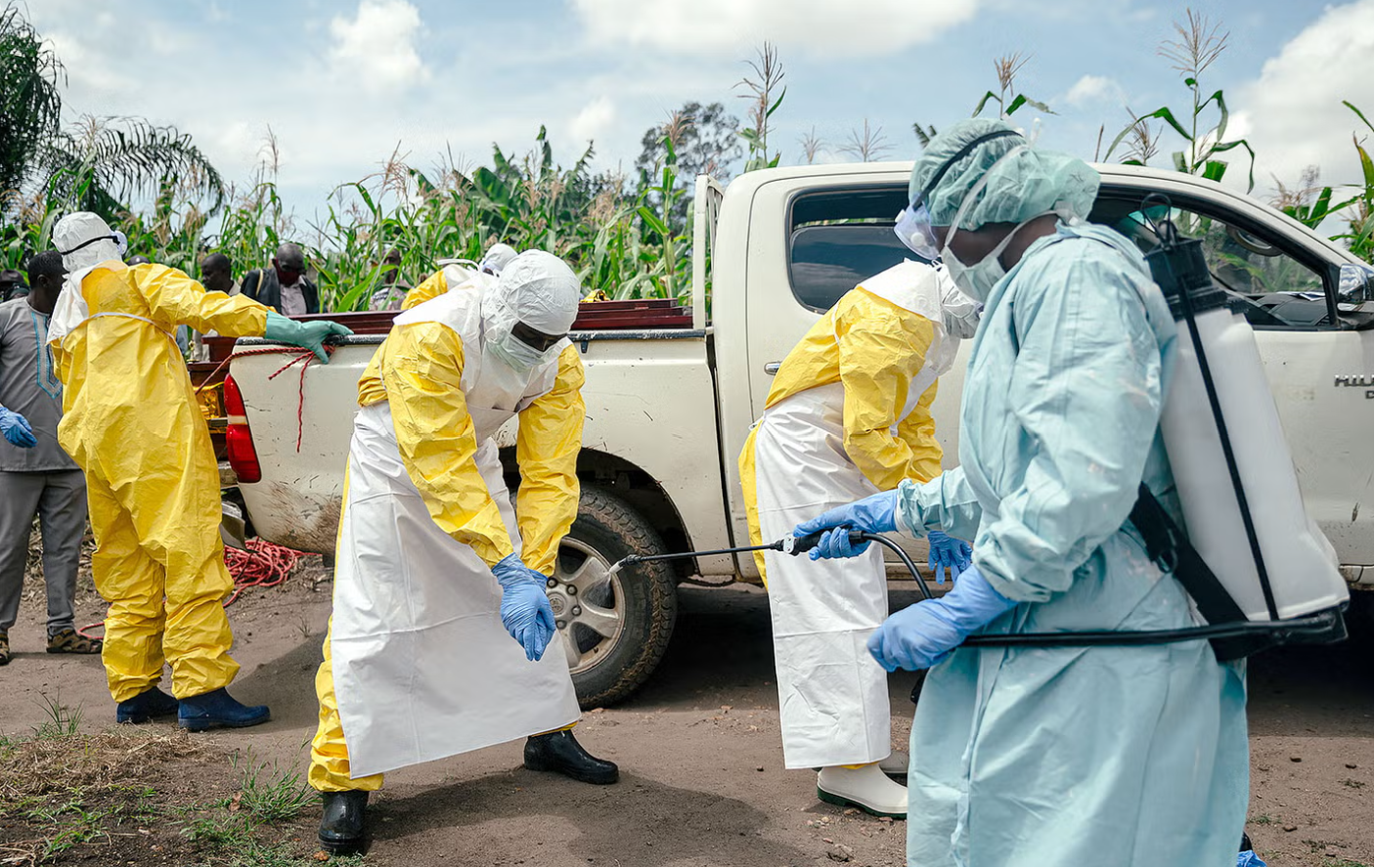
State governments have also been advised to activate emergency response structures, including isolation units in designated hospitals, training for frontline health workers, and stockpiling of essential protective equipment. Some states have begun reviewing their public health emergency plans to ensure readiness in the event of imported cases.
Health experts emphasize that while there is currently no confirmed Ebola outbreak in Nigeria, vigilance remains essential due to the country’s high level of international travel and its role as a regional transit hub. Nigeria, which successfully contained previous Ebola outbreaks, is often cited as an example of rapid response coordination in public health emergencies.
Medical professionals are also urging Nigerians to remain informed rather than alarmed. The public is advised to maintain basic hygiene practices, report suspected symptoms such as sudden fever, severe weakness, and unexplained bleeding to health facilities, and avoid unnecessary contact with individuals showing signs of infectious illness.
Public health officials further stress that Ebola is not transmitted through casual contact but through direct exposure to bodily fluids of infected individuals or contaminated materials. This makes early detection, isolation, and contact tracing critical components of containment.
As preparedness efforts continue, authorities say collaboration between government agencies, international health partners, and local communities remains key to ensuring that Nigeria stays protected from potential outbreaks.
For now, officials maintain that the situation is under watch, with systems in place to respond swiftly if any case is detected, reinforcing Nigeria’s commitment to safeguarding public health security.