
Health experts have urged mothers not to withhold breast milk from their babies because of the widespread misconception that breastfeeding causes breasts to sag, stressing that the condition is a natural process influenced by factors such as age, pregnancy and genetics rather than breastfeeding itself.
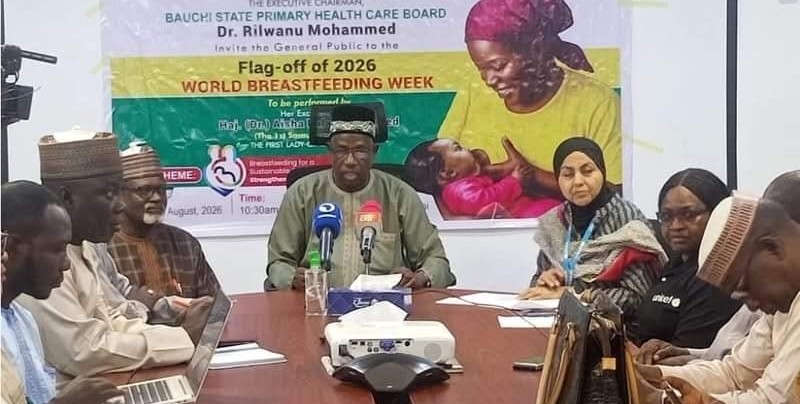
The experts made the clarification as health authorities and stakeholders marked this year’s World Breastfeeding Week, observed globally from August 1 to 7, with renewed calls for greater support for breastfeeding mothers and improved child nutrition.
According to the experts, many women avoid breastfeeding or stop earlier than recommended out of concern that it will permanently alter the appearance of their breasts. However, they explained that breast sagging, medically known as ptosis, is primarily associated with natural aging, pregnancy-related hormonal changes, skin elasticity, genetics and lifestyle factors not breastfeeding itself.
Also read:World breastfeeding week: UNICEF calls for stronger support systems for nursing mothers
They noted that pregnancy causes significant changes in breast tissue as the body prepares for milk production, regardless of whether a woman ultimately breastfeeds. These physiological changes, combined with the natural loss of skin elasticity over time, account for most changes in breast shape after childbirth.
The experts encouraged mothers to exclusively breastfeed their babies for the first six months of life and continue breastfeeding alongside appropriate complementary foods for up to two years or beyond, in line with recommendations from the World Health Organization (WHO) and the United Nations Children’s Fund (UNICEF). They said breast milk provides ideal nutrition, strengthens infants’ immune systems, supports healthy growth and brain development, and reduces the risk of several childhood illnesses. Breastfeeding also offers health benefits to mothers, including a lower risk of breast and ovarian cancers.
They further called on families, employers and communities to provide practical support for nursing mothers, including creating breastfeeding-friendly environments at home and in the workplace.
World Breastfeeding Week, supported by WHO, UNICEF and health partners worldwide, aims to raise awareness of the importance of breastfeeding and promote policies and practices that enable mothers to breastfeed successfully. This year’s campaign highlights the need to strengthen proven interventions that improve breastfeeding rates and child health outcomes.