
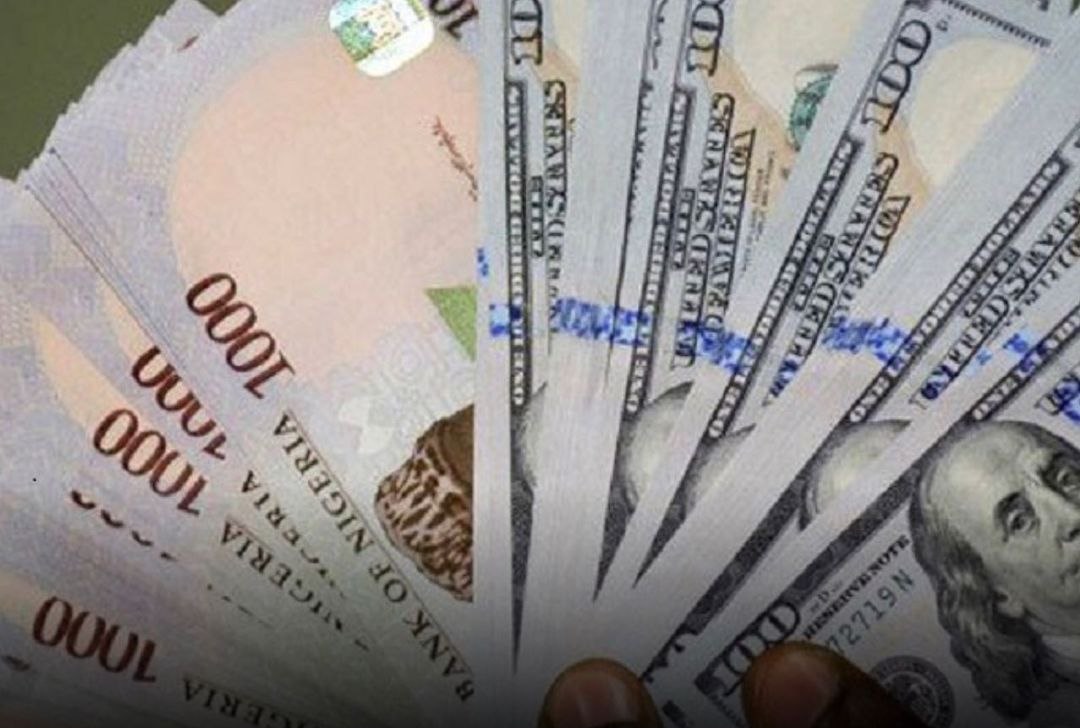
The Nigerian naira closed the trading week on a stable note against the United States dollar, with the gap between the official and parallel market exchange rates narrowing further amid sustained foreign exchange market stability.
Data from the Nigerian Foreign Exchange Market (NFEM) showed that the naira closed at ₦1,378.13 per dollar on Friday, while traders at the parallel market in Lagos and Abuja quoted the dollar at about ₦1,410.
The difference between both markets now stands at about ₦32 per dollar, marking one of the narrowest spreads recorded in recent years and signalling improved alignment between the official and unofficial foreign exchange markets.
Currency dealers attributed the relative stability to improved liquidity in the foreign exchange market, supported by the Central Bank of Nigeria’s (CBN) interventions and stronger external reserves. Nigeria’s foreign reserves recently rose to approximately $51.71 billion, providing the apex bank with greater capacity to meet legitimate foreign exchange demand.
Financial analysts said the narrowing exchange rate gap could ease pressure on businesses that rely on imported raw materials and finished goods. Manufacturers and importers, who previously depended on the more expensive parallel market due to limited access to official foreign exchange, are expected to benefit from more predictable pricing and improved planning.
Although the stable exchange rate is unlikely to result in an immediate reduction in the prices of goods and services, traders believe it could help slow the pace of inflation if the trend is sustained. They noted that transportation costs, energy prices and import duties remain significant factors influencing market prices.
For consumers, a more stable naira could reduce sudden price increases on imported products, including food items, medicines, electronics and educational expenses for families with children studying abroad.
Market operators expressed cautious optimism that the naira would continue trading within the current range in the coming weeks, provided the Central Bank sustains its foreign exchange reforms, maintains adequate market liquidity and foreign capital inflows remain steady.
The recent convergence between the official and parallel markets is being viewed by analysts as a positive indicator of growing confidence in Nigeria’s foreign exchange market and the effectiveness of ongoing monetary policy measures.