
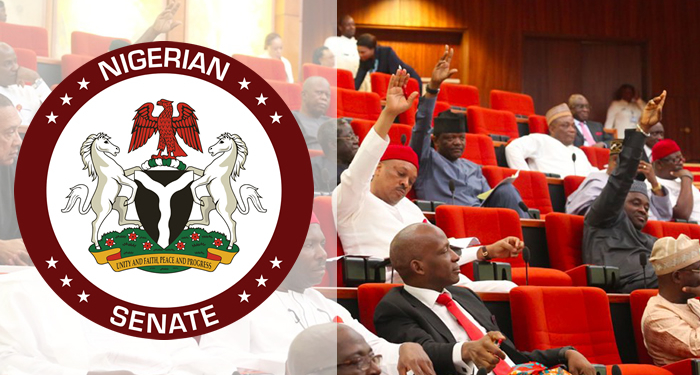
The Nigerian Senate has passed the Constitution of the Federal Republic of Nigeria (Altercation) (State Police) Bill, 2026, marking a significant step toward the establishment of state controlled police forces across the country.
The landmark constitutional amendment, approved during plenary on Wednesday, seeks to decentralise Nigeria’s policing system by allowing individual states to establish and operate their own police services alongside the existing federal police structure.
A key provision of the bill empowers state governors to appoint Commissioners of Police for their respective states. The appointments, however, would be made on the advice of the Nigeria Police Council and would require confirmation by the relevant State House of Assembly.
The legislation is part of broader efforts to address Nigeria’s persistent security challenges, including banditry, kidnapping, insurgency and communal violence, which many stakeholders have argued cannot be effectively tackled through the current centrally controlled policing system.
Under the proposed framework, each state police force would operate within nationally prescribed standards, while the Federal Police would retain responsibility for national security matters such as counterterrorism, border security, organised crime and other federal law enforcement functions.
Supporters of the bill argue that state policing will improve intelligence gathering, enhance community-based law enforcement and enable quicker responses to security threats. They contend that local police officers are better positioned to understand the languages, cultures and security dynamics of the communities they serve.
The passage of the bill has long been regarded as one of the most consequential constitutional reforms in Nigeria’s security sector. Advocates maintain that governors, who are often described as the chief security officers of their states, should have greater operational control over policing within their jurisdictions.
However, the proposal has also attracted criticism from opponents who fear that state police forces could be abused by political office holders to intimidate opponents or influence electoral processes. To address such concerns, the bill includes provisions allowing disputes over directives issued by governors to be referred to the Nigeria Police Council for final determination.
Senate President Godswill Akpabio announced the passage of the legislation after lawmakers overwhelmingly backed the proposal, which was presented by the Senate Committee on the Review of the Constitution.
Despite clearing the Senate, the constitutional amendment has not yet become law. In line with constitutional requirements, it must still secure approval from at least two-thirds of the State Houses of Assembly before receiving final assent and becoming part of the Constitution.
If eventually ratified, the reform would represent one of the most significant changes to Nigeria’s policing architecture since independence, creating a dual policing system comprising both federal and state police services.