
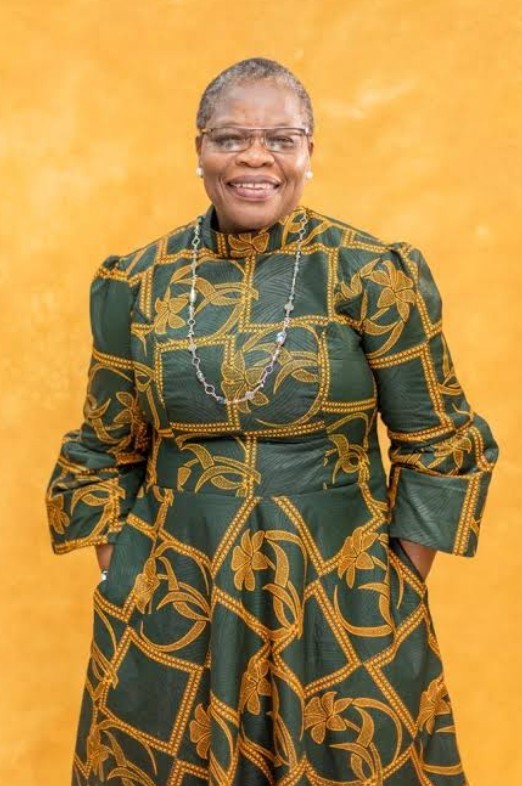
Former Minister of Education, Oby Ezekwesili, has acknowledged that President Bola Tinubu’s administration has made progress in achieving macroeconomic stability but said the gains have yet to translate into improved living conditions for most Nigerians.
Ezekwesili made the assessment during an interview with News Central Television, where she examined the impact of the administration’s economic reforms and the broader state of Nigeria’s economy.
She said the government deserved credit for reducing volatility in the foreign exchange market by allowing market forces to play a greater role in determining the value of the naira.
According to her, the relatively calmer foreign exchange market represents one of the few areas where the administration’s economic policies have produced measurable progress.
“The only thing that, as I said at the beginning, we can give to them is they are getting a handle on macroeconomic stability,” Ezekwesili said.
She, however, argued that macroeconomic stability alone could not be used to determine whether Nigerians were better off, noting that poverty remained widespread and the cost of living continued to put pressure on households.
Ezekwesili also questioned the interpretation of Nigeria’s inflation figures, saying that although the reported numbers may have improved, the reality faced by ordinary citizens remained difficult.
“Then you look at inflation. Inflation, even though they use the methodology to crash it in terms of the numbers, but the real thing is that the cost of living for the average citizen is still pretty high,” she said.
The former minister described the sharp rise in inflation as avoidable, attributing it to what she called poor management and a combination of policy decisions.
She maintained that Nigeria needed to address structural weaknesses in the economy, particularly low productivity, if economic reforms were to produce sustainable growth, create jobs and raise household incomes.
“What do you have? You have a complete lack of productivity in yours compared to the others. So without productivity, you can’t even be competitive globally,” she said.
Ezekwesili also criticised the government’s fiscal management, particularly the operation of multiple budget cycles at the same time.
She argued that the continued implementation of previous budgets alongside newer ones reflected weaknesses in fiscal planning and execution.
“In our own case, I think there was a time they said 2024 is still open, 2025 is still open, 2026 is on,” she said, describing the situation as “recklessness in terms of fiscal choices and decisions.”
She further argued that the government needed to provide clearer performance records so Nigerians could properly assess the impact of its policies.
Ezekwesili said Nigeria was not yet “out of the woods”, stressing that economic stability must ultimately translate into higher productivity, better employment opportunities, increased incomes and improved living standards.
Her comments come amid continuing debate over the impact of Tinubu’s economic reforms, including the removal of fuel subsidy and changes to foreign exchange policy.
While the Federal Government has maintained that the reforms are intended to stabilise the economy and place Nigeria on a more sustainable growth path, Ezekwesili argued that the success of the policies should ultimately be measured by their effect on the daily lives of Nigerians.