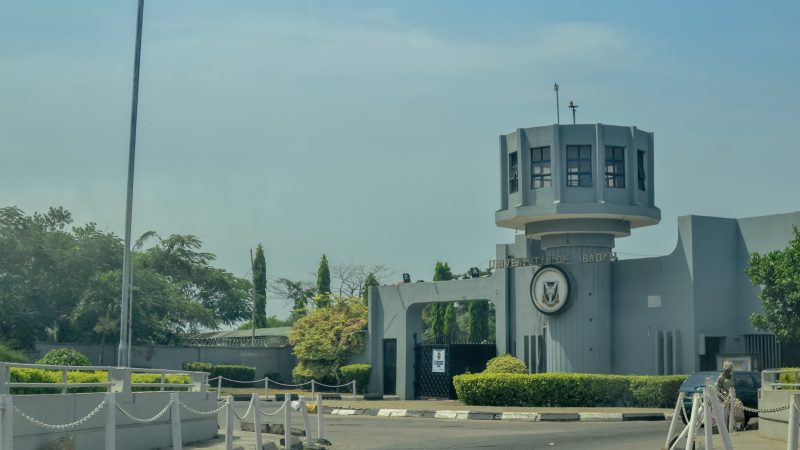

The management of the University of Lagos (UNILAG) has commenced an investigation into allegations of water contamination in some of its student hostels following reports of vomiting, diarrhoea, and other gastrointestinal symptoms among residents.
The university said it has begun comprehensive testing of water supplied to the affected hostels to determine whether contamination may have contributed to the health complaints raised by students.
The development follows growing concerns among students who alleged that several hostel residents experienced symptoms including vomiting, stooling, stomach discomfort, and general weakness after consuming or using water from hostel facilities. The reports sparked anxiety within the university community and prompted calls for an urgent intervention by school authorities.
In response, the institution assured students and their families that the matter is being treated with utmost seriousness. University officials disclosed that water samples had been collected from various locations within the affected hostels and submitted for laboratory analysis to ascertain their quality and safety.
According to the university, relevant departments, including health and environmental management units, have been mobilised to investigate the situation and identify the source of the reported illnesses. The management said findings from the ongoing tests would guide any necessary remedial actions.
While the investigation continues, students have been advised to maintain proper hygiene practices and report any symptoms or health concerns to the university’s medical centre for immediate attention. The institution also urged residents to cooperate with health officials conducting assessments within the hostels.
Some students who spoke on the incident expressed concern over the sudden emergence of the symptoms, with many calling for transparency in the investigation and swift measures to guarantee the safety of hostel residents.
Health experts note that contaminated water can expose consumers to various waterborne diseases, including cholera, typhoid fever, gastroenteritis, and other infections capable of causing vomiting and diarrhoea. They emphasize the importance of prompt testing and intervention whenever unusual health complaints emerge within densely populated environments such as university hostels.
The incident has reignited discussions about the need for regular monitoring of water quality in tertiary institutions, particularly in residential facilities where thousands of students rely on centralized water supply systems for drinking, cooking, and sanitation.
UNILAG management reiterated its commitment to the welfare and safety of students, assuring stakeholders that all necessary measures would be taken once the results of the laboratory tests become available. The university also pledged to keep members of the community informed of developments as investigations progress.
As students await the outcome of the tests, attention remains focused on whether the reported illnesses were linked to the hostel water supply or other environmental and public health factors. The findings are expected to provide clarity on the situation and guide further action by university authorities.