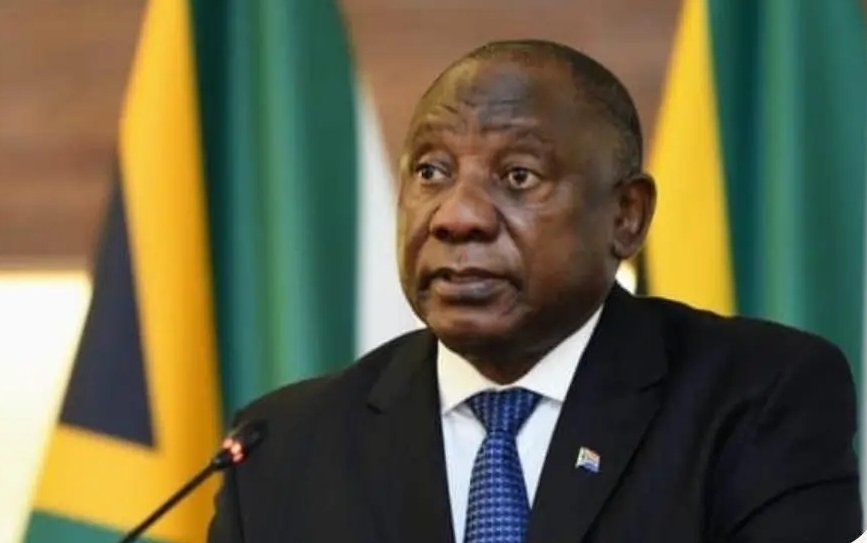
The Government of Ghana has reportedly declined a proposed state visit by Cyril Ramaphosa, citing growing concerns over recurring xenophobic attacks against foreign nationals, including Ghanaians, in South Africa
The reported decision has drawn attention to renewed diplomatic tensions between the two African nations, which have maintained strong political and economic ties despite periodic disputes linked to the treatment of African migrants living in South Africa.
According to reports, Ghanaian authorities communicated that the timing of the proposed visit was inappropriate, given the recent wave of attacks targeting foreign-owned businesses and migrants in parts of South Africa.
Successive incidents of xenophobic violence in South Africa have remained a source of concern for several African governments. In previous outbreaks, businesses owned by immigrants from countries including Ghana, Nigeria, Zimbabwe, Ethiopia and Somalia were looted or destroyed, while several foreign nationals were injured or displaced.
Ghanaian officials are said to be concerned that proceeding with a high-profile state visit under such circumstances could be interpreted as overlooking the welfare and safety of Ghanaian citizens residing in South Africa.
While no formal statement has indicated a breakdown in diplomatic relations, the reported decision reflects Accra’s desire to see stronger action against xenophobic violence before engaging in ceremonial bilateral activities.
Ghana and South Africa have traditionally enjoyed cordial diplomatic relations, cooperating through the African Union, the African Continental Free Trade Area and other regional initiatives aimed at promoting economic integration and political cooperation across Africa.
Both countries also maintain significant trade and investment ties, with South African companies operating across several sectors of Ghana’s economy, including telecommunications, banking, retail and mining.
Despite these strong relations, xenophobic attacks have periodically strained diplomatic engagements, prompting calls from African leaders for greater protection of migrants and stricter enforcement of laws against violence.
Analysts say the reported decision by Ghana underscores increasing pressure on South African authorities to address the root causes of xenophobic attacks and reassure African partners that foreign nationals can live and conduct business safely.
Civil society organisations across the continent have repeatedly condemned attacks on migrants, arguing that such violence undermines African unity and the continent’s efforts to deepen regional integration.
They have urged governments to strengthen public education campaigns, improve law enforcement responses and prosecute those responsible for attacks on foreign nationals.
As of the time of filing this report, neither the Presidency in Ghana nor the South African government had officially confirmed the reported cancellation or postponement of the proposed state visit.
Observers say any diplomatic engagement between the two countries will likely focus on addressing concerns over the safety of migrants, strengthening bilateral cooperation and reaffirming commitments to peaceful coexistence and continental solidarity.
The development comes as African leaders continue to advocate greater unity and collaboration under regional integration frameworks, with many emphasising that the protection of all African citizens remains essential to achieving the continent’s broader economic and political aspirations.