The Federal Capital Territory Administration (FCTA), working alongside the Federal Road Safety Corps (FRSC) and other agencies, has launched a sustained enforcement operation against traffic violations across Abuja, with offenders now required to undergo medical and psychological evaluation in addition to facing prosecution.
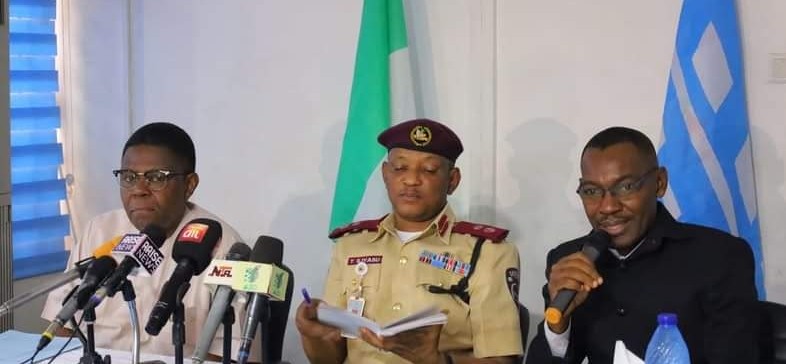
The operation was announced Thursday at a joint press conference in Abuja by the Mandate Secretary of the FCTA Transportation Secretariat, Chinedum Elechi, alongside the FRSC’s FCT Sector Commander, Corps Commander Tijjani Iliyasu.
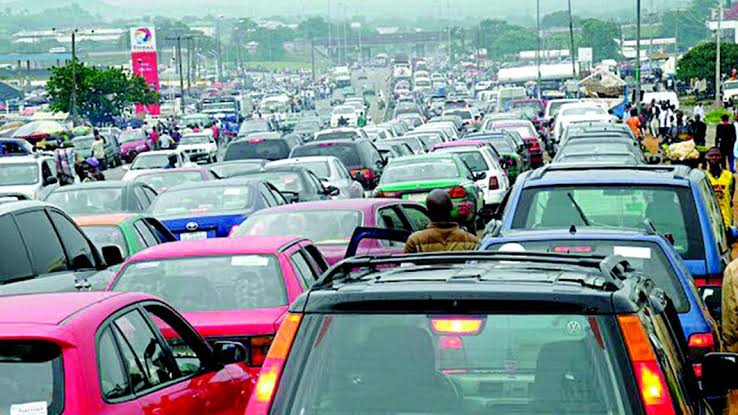
Elechi said a special task force had been set up to patrol major roads, apprehend offenders and ensure that those found culpable face sanctions under existing laws and regulations. He linked the renewed enforcement drive to a rise in traffic violations that has accompanied the expansion of Abuja’s road network under the FCTA’s urban renewal programme, saying improved infrastructure had, paradoxically, emboldened some motorists to disregard traffic rules.
He said the operation would specifically target violations including running red lights, ignoring traffic control devices, using unauthorised or restricted routes, driving against traffic, and parking on major roads, junctions, under bridges and at pedestrian crossings.
Iliyasu said motorists apprehended for certain offences particularly excessive overloading, traffic light violations, route violations, driving against traffic and indiscriminate parking would be subjected to prescribed medical and psychological assessments before prosecution, where applicable.
He cited Regulation 176, Sub-regulation (5) of the amended National Road Traffic Regulations 2012, which requires persons suspected of committing applicable offences to undergo medical and psychological evaluation at an approved government hospital before prosecution, at their own expense.
The FRSC commander described the measure as aimed at addressing dangerous driving behaviour, promoting responsible road use, and protecting the lives and property of motorists and other road users.
Officials said the enforcement exercise would continue at strategic locations across the FCT, combining on-ground enforcement with public education, stakeholder engagement, engineering interventions and inter-agency collaboration to improve road safety and traffic management.
“Our message is simple: obey traffic regulations, respect other road users, and make safety a personal responsibility,” Iliyasu said.
The Director of the FCTA’s Security Services Department, Adamu Gwary, said enforcing traffic regulations was important not only for improving mobility in the capital but also for broader security in the territory.
The requirement for medical and psychological evaluation of traffic offenders is not new to Abuja; the FRSC and FCTA have periodically invoked similar provisions over the past decade as part of efforts to curb reckless driving in the capital, with the practice drawing both public support and criticism from some residents and analysts who have questioned its effectiveness and intent.
Authorities did not immediately disclose how many offenders had been apprehended or referred for evaluation since the current operation began, but said the crackdown would continue until compliance with traffic regulations improves across the territory.