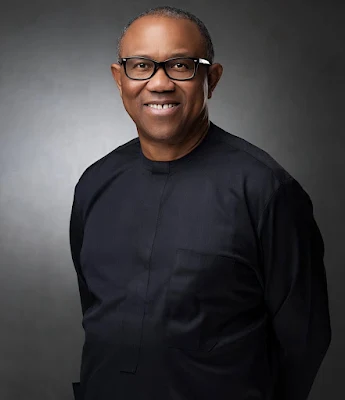
Former Labour Party presidential candidate Peter Obi has criticised the economic policies of President Bola Tinubu’s administration, claiming that many Nigerians who once owned thriving businesses have been forced into petty trading as a result of worsening economic conditions.
Speaking during a public engagement, Obi said the country’s economic challenges have severely affected business owners, alleging that numerous entrepreneurs have lost their means of livelihood and are now struggling to survive.
According to the former Anambra State governor, individuals who operated successful businesses before the current administration took office have seen their enterprises decline due to rising inflation, the high cost of production, foreign exchange volatility, and declining consumer purchasing power.
“Those who had businesses when Tinubu came into office are now selling kuli-kuli,” Obi said, using the locally made groundnut snack as a metaphor to illustrate what he described as the economic hardship confronting many Nigerians.
He argued that the country’s economic environment has become increasingly difficult for small and medium-sized enterprises (SMEs), which he said are battling escalating operating costs, unstable electricity supply, multiple taxation, and limited access to affordable financing.
Obi maintained that the challenges facing businesses have contributed to job losses and reduced productivity, urging the Federal Government to adopt policies that encourage investment, boost local production, and support entrepreneurs.
The former presidential candidate also called for greater emphasis on economic reforms that prioritise manufacturing, agriculture, education, and human capital development, insisting that sustainable growth can only be achieved through increased productivity rather than reliance on consumption-driven policies.
His comments come amid continued public debate over the impact of the Tinubu administration’s economic reforms, including the removal of petrol subsidy and the unification of the foreign exchange market. While the government has defended the measures as necessary to stabilise the economy and attract long-term investment, many households and businesses have complained about rising living costs and increased operational expenses.
Recent economic indicators have shown persistent inflationary pressures, with businesses across several sectors reporting higher production costs and weaker consumer demand. Industry groups have also called for targeted interventions to cushion the effects of ongoing reforms on manufacturers and small businesses.
Obi urged the government to focus on creating an enabling business environment capable of restoring investor confidence and stimulating economic growth. He said addressing insecurity, improving infrastructure, expanding access to credit, and ensuring policy consistency would help businesses recover and create employment opportunities.
As of the time of filing this report, the Presidency had not issued an official response to Obi’s latest remarks. However, government officials have consistently maintained that the administration’s reforms are designed to lay the foundation for long-term economic stability, despite the short-term challenges experienced by citizens and businesses.
Obi’s comments add to the growing political discourse surrounding Nigeria’s economic direction ahead of the 2027 general elections, with opposition figures continuing to scrutinise the government’s handling of the economy and the cost-of-living crisis.