A growing wave of retired senior police and military officers is reshaping Nigeria’s political landscape, with former Inspectors-General of Police (IGPs), Deputy Inspectors-General (DIGs), Assistant Inspectors-General (AIGs), Commissioners of Police, and retired military generals increasingly seeking elective offices and influential political positions across the country.
The trend has become more pronounced in recent election cycles, sparking debate about the rising political influence of former security chiefs and the enormous financial resources required to compete in Nigeria’s high-cost political system.
Among the most recent examples are former Inspectors-General of Police, Abubakar Mohammed Adamu and Usman Alkali Baba, who both reportedly pursued governorship ambitions under the All Progressives Congress (APC) in Nasarawa and Yobe States respectively after leaving office.
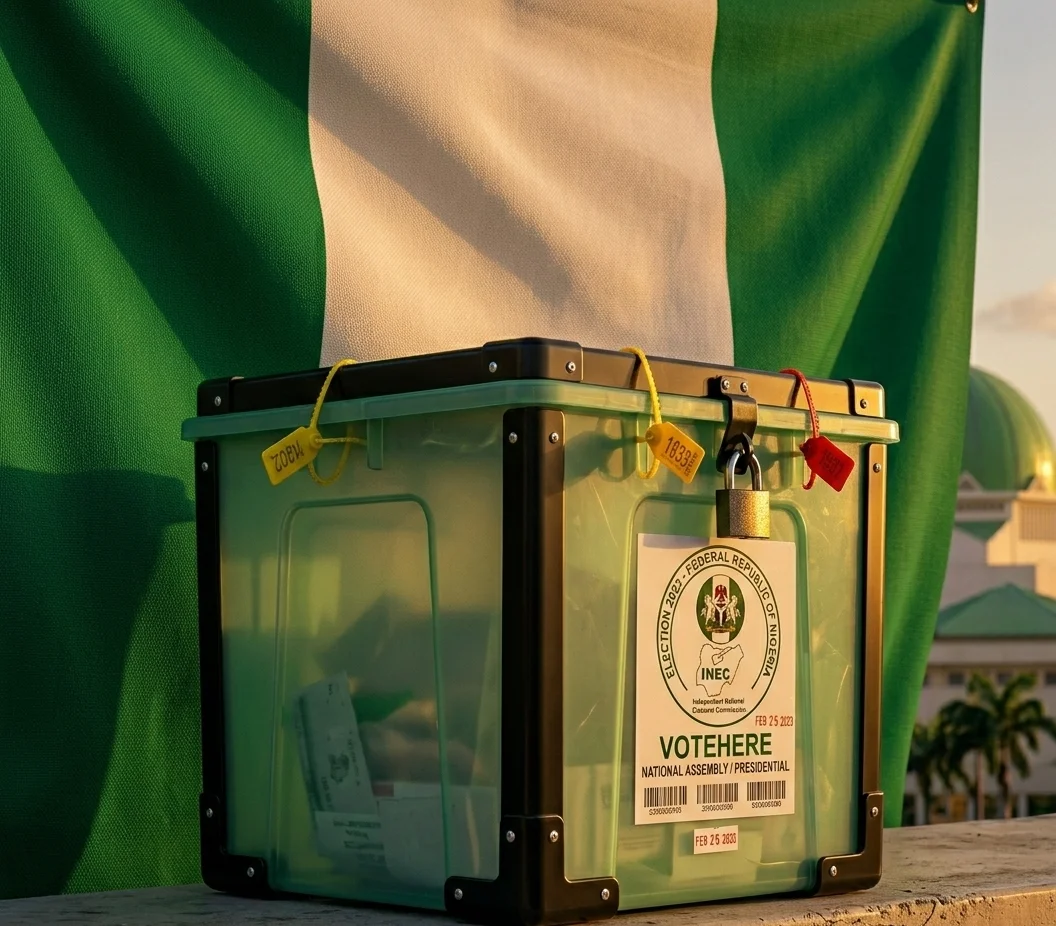
The development drew public attention after reports emerged that governorship aspirants within the APC were required to purchase nomination and expression of interest forms reportedly worth about ₦50 million, excluding campaign logistics, consultations, delegate mobilization, and other election-related expenses.
Former Lagos State Commissioner of Police, Fatai Owoseni, also recently joined partisan politics in Oyo State through the Accord Party governorship process before later withdrawing from the race over alleged irregularities.
Political analysts note that many retired police officers often leverage the visibility, networks, and influence built during decades of public service to establish political relevance after retirement
The development is not limited to the police. Several retired military officers have also ventured into partisan politics in recent years, contesting governorship seats, senatorial positions, and other elective offices under major political parties.
Some retired generals have emerged as political power brokers, advisers, and influential figures in state and national politics, especially in regions heavily affected by insecurity.
Supporters argue that former security officers bring administrative experience, crisis-management skills, and national security expertise into governance.
However, the increasing transition of retired security chiefs into politics has also generated public scrutiny, particularly regarding campaign financing and the high cost of political participation in Nigeria.
Many Nigerians have questioned how former public servants are able to fund expensive political ambitions shortly after retirement, especially in a country facing economic hardship, inflation, and rising unemployment.
Political observers say the issue reflects broader concerns about transparency in political financing and the dominance of elite networks within Nigeria’s democratic process.
Civil society groups have repeatedly warned that the rising cost of elections risks excluding ordinary citizens from governance while consolidating political influence among wealthy and well-connected individuals.
Analysts say the growing presence of former police and military officers in politics also raises concerns about the increasing influence of security elites within civilian democratic structures.
While some view the development as a natural extension of public service, others argue that the line between state security institutions and partisan politics is becoming increasingly blurred.
As preparations for future elections intensify, observers expect more retired security officials to seek political offices, further expanding the role of former uniformed officers in Nigeria’s political system.