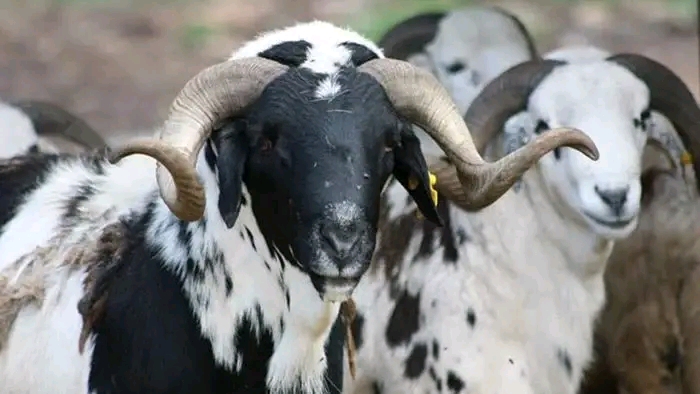
For many Nigerian Muslim families, Eid-el-Kabir is a season of faith, community, and sacrifice. But as the 2026 celebration draws near, an increasingly familiar anxiety is overshadowing the festive mood: the steep and seemingly unstoppable rise in the price of rams.
Market surveys conducted across major livestock markets including the popular Kara Market along the Lagos-Ibadan Expressway in Ogun State, as well as markets in Birnin Kebbi, Sokoto, and other states reveal that although rams are available in large numbers, patronage has remained low as buyers grapple with shrinking purchasing power.
At the Kara Market, livestock dealer Umaru Adamu said he was selling rams for between ₦200,000 and ₦1.5 million, depending on size and breed. Fellow trader Umaru Yusuf attributed the price increases to rising logistics costs and the expense of sourcing animals from neighbouring countries.
In Kebbi State, small-sized rams were selling for between ₦100,000 and ₦200,000, medium-sized breeds between ₦300,000 and ₦500,000, while bigger and exotic animals were priced from ₦600,000 up to ₦1 million depending on quality.
In Kano, animal feed costs have nearly doubled, with a bag that sold for between ₦10,000 and ₦13,000 last year now going for around ₦25,000. Traders say these rising input costs are passed directly to consumers.
The economic pressure is visibly reshaping how families observe the tradition. A resident of Ikeja, Yusuf Abubakar, lamented that a small ram now costs at least ₦300,000, which many households simply cannot afford. He noted that families are increasingly pooling resources to buy a single ram and divide it among themselves.
Lagos resident, Remilekun Bello, said he bought two averAnotherage-sized rams for ₦550,000 and added that most people now prefer group celebrations because individual ones have become too expensive.
Traders are not without sympathy for buyers many say poor patronage is hurting their own livelihoods. In Ibadan, ram seller Malam Salisu Abass linked steep prices to rising petrol costs, which have significantly increased transportation expenses from northern Nigeria, where most livestock originate. Another seller noted that most prospective buyers are salary earners whose wages are yet to arrive, though he remained hopeful that sales would pick up as the holiday draws closer.
Some buyers, meanwhile, are deliberately holding off on purchases until the final days before Eid-el-Kabir, hoping prices might ease slightly as competition among traders intensifies.
The ram price surge does not exist in isolation. The rising cost of livestock comes amid persistently high inflation and food prices across Nigeria, putting additional pressure on households already strained by the cost of living. For many families, the question is no longer simply which ram to buy but whether to buy one at all.
As the nation counts down to Eid-el-Kabir, the spirit of sacrifice the festival embodies has taken on a painful new dimension for millions of Nigerians.