
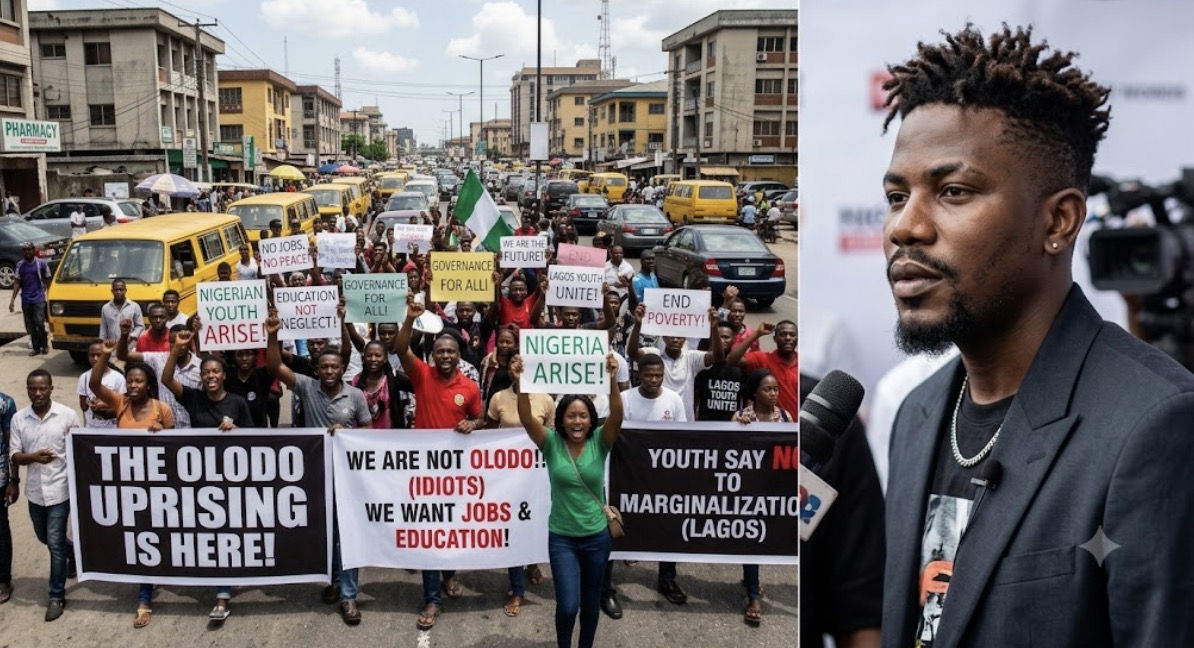
A viral social media trend known as the “Olodo Uprising” has ignited widespread debate across Nigeria, with many questioning the changing definition of success in the digital era and the place of formal education in an increasingly creator-driven economy.
The conversation gained momentum after Nigerian rapper Ycee used the phrase during a podcast interview to describe what he believes is the growing celebration of anti-intellectualism on social media.
Using the Yoruba word olodo, a colloquial term often used to describe someone who is academically weak—Ycee argued that Nigeria’s digital ecosystem increasingly rewards controversial and chaotic online content over knowledge, creativity and intellectual achievement.
He referenced the rise of popular TikTok streamer Peller as an example of how unconventional content creators have built massive audiences and lucrative careers through social media platforms.
The comments quickly divided Nigerians online into two opposing camps.
Critics of the trend argue that glorifying ignorance and “fooling” for entertainment sends the wrong message to young people, potentially undermining the importance of education, skills acquisition and critical thinking. They warn that prioritising internet virality over academic excellence could have long-term consequences for national development.
Others, however, say the phenomenon reflects Nigeria’s harsh economic realities. Supporters contend that with rising unemployment and limited opportunities for graduates, the digital economy has become a legitimate path to financial success. They argue that content creation has opened doors for many young Nigerians who might otherwise struggle to earn a living.
The debate has also spilled into the entertainment industry. Following the controversy, Peller announced in a viral video that he intends to return to school to continue his education. Meanwhile, comedian and skit maker Carter Efe became embroiled in a public dispute with Babcock University over claims relating to an academic certificate, further fueling discussions about educational qualifications among online personalities.
Marketing experts have also weighed in, noting that brands are increasingly balancing the massive reach of viral content creators against the need to protect their corporate image by partnering with influencers whose values align with their identity.
As the debate continues, many observers believe the “Olodo Uprising” reflects a broader shift in Nigeria’s youth culture, where social media influence and digital entrepreneurship are increasingly challenging traditional measures of achievement.
While opinions remain divided, the conversation has raised important questions about whether Nigeria is witnessing the glorification of ignorance or simply adapting to new definitions of success in the digital age.