Ahead of Saturday’s Osun State governorship election, two parallel developments have drawn attention in Osogbo: the deployment of a new police commissioner to oversee election security, and the activation of a European Union-backed observation hub monitoring the poll.
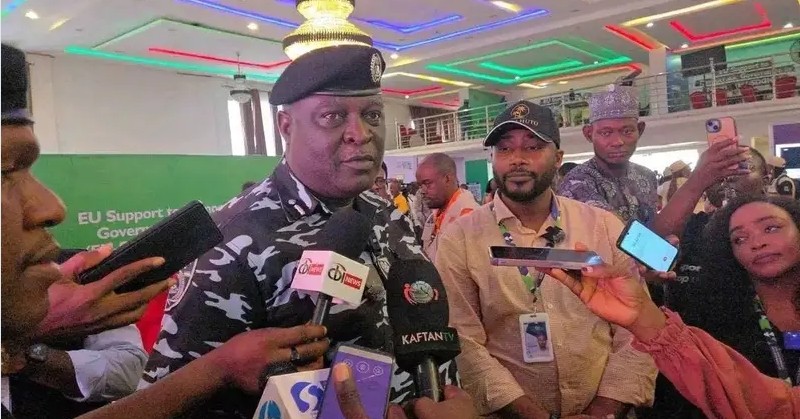
The Commissioner of Police in charge of Osun’s election security, Samuel Erale Etaifo, was deployed to the state by the Inspector-General of Police, Olatunji Disu, ahead of the August 15 poll. His appointment followed weeks of political controversy over the neutrality of the Osun State Police Command, after parties including the ruling Accord Party raised concerns about the command’s conduct, including the arrest of the Secretary to the Osun State Government during a police operation. The substantive Commissioner of Police, Ibrahim Gotan, was asked to step aside a move the police described as administrative rather than disciplinary while Erale assumed responsibility for election security.
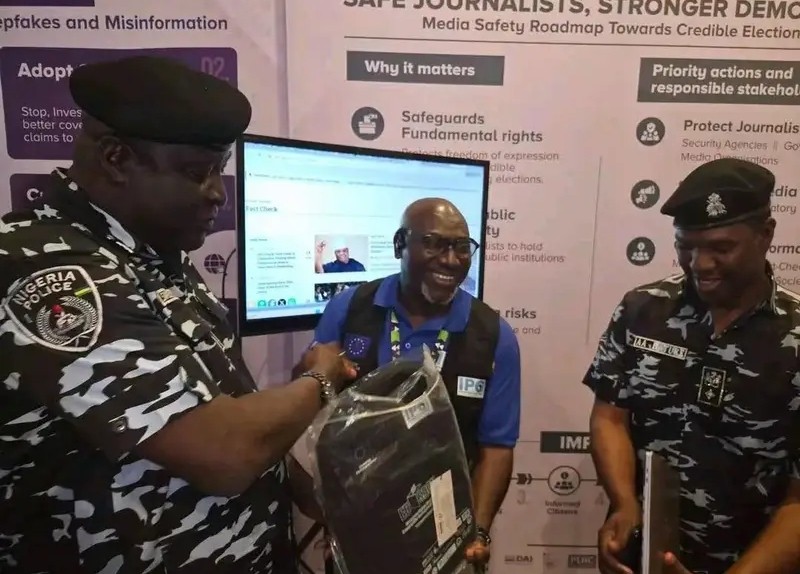
Since his deployment, Erale has disclosed that no fewer than 15,000 police personnel part of a broader security deployment of over 25,000 personnel including the NSCDC and EFCC have been mobilised for the election. He has repeatedly stressed that officers on election duty must remain impartial, warning that anyone arrested for electoral offences would be transferred to Force Headquarters outside the state for investigation, and describing the assignment as “a federal election” rather than a purely state matter. He has also met directly with protesters and party representatives raising concerns about police neutrality, assuring them of a peaceful process.
Separately, the European Union has activated a Joint Election Observation Hub in Osogbo under its EU Support to Democratic Governance in Nigeria (EU-SDGN II) programme. The hub brings together civil society organisations including Yiaga Africa, the International Press Centre, the Centre for Media and Society, TAF Africa, The Kukah Centre, ElectHER and the Nigeria Women Trust Fund to coordinate independent, citizen-focused election observation, drawing on reports from roughly 800 accredited observers deployed across the state.
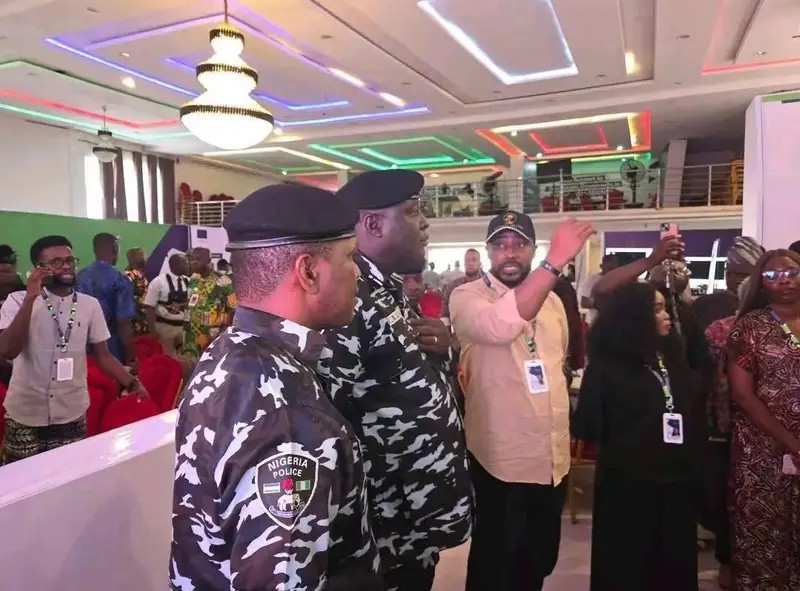
The hub has already published a pre-election assessment identifying 13 of Osun’s 30 local government areas including Osogbo, Irewole, Boripe, Obokun, Ife North and Ife Central as high-risk flashpoints due to politically motivated violence and heightened tension. It also operates an “Election ReportPoint” through which voters can report incidents of violence, intimidation or vote-buying via phone or WhatsApp. Separately, the EU’s own Election Observation Mission, represented in part through the Austrian ambassador to Nigeria, has confirmed it will monitor the poll as a test case ahead of Nigeria’s 2027 general elections.