
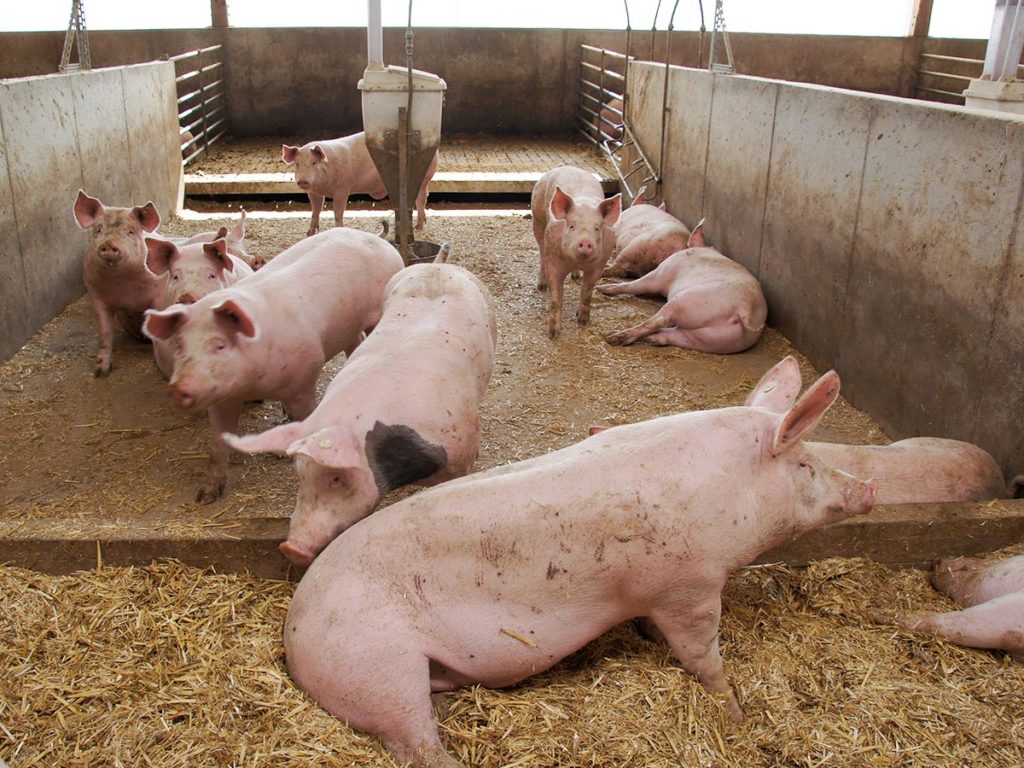
Pig farmers in Plateau State are counting massive financial losses following an outbreak of African Swine Fever (ASF) that has killed thousands of pigs, disrupted production and forced the closure of several farms across the state.
The outbreak has dealt a severe blow to one of Plateau’s thriving livestock industries, with farmers estimating losses running into billions of naira as the highly contagious viral disease continues to spread.
African Swine Fever is a viral disease that affects domestic and wild pigs. While it poses no threat to humans, it is often fatal to infected animals and has no approved vaccine or cure, making prevention and strict biosecurity measures the primary means of controlling its spread.
Farm owners say the outbreak has wiped out years of investment, leaving many struggling to recover financially. Some producers have lost entire herds within a short period, while others have been forced to halt operations to prevent further transmission of the disease.
According to affected farmers, the death of thousands of pigs has significantly reduced supply, threatening the livelihoods of breeders, feed suppliers, meat processors and traders who depend on the pig value chain.
Several farmers expressed concern that many small-scale producers may be unable to resume operations without financial support, warning that the outbreak could have long-term consequences for the state’s livestock sector.
Plateau State is widely regarded as one of Nigeria’s leading pig-producing states, with pig farming serving as a major source of income for thousands of households.
Industry stakeholders say the outbreak has not only resulted in the loss of livestock but has also disrupted business activities across the production chain. Markets have witnessed reduced supplies, while transporters, veterinary service providers and pork retailers have also reported declining patronage.
The economic impact is expected to extend beyond farmers, with concerns that the disease could affect food supply and increase the cost of pork if the outbreak persists.
Farmers and livestock associations have appealed to the Plateau State Government and the Federal Ministry of Livestock Development to provide emergency support for affected producers.
Among the measures being sought are compensation for farmers who have lost their animals, improved disease surveillance, provision of veterinary services and public awareness campaigns on preventive measures.
Stakeholders have also called for stricter enforcement of biosecurity protocols, including restrictions on the movement of infected animals, proper disposal of carcasses and routine disinfection of farms to contain the spread of the virus.
Veterinary authorities have urged farmers to promptly report unusual pig deaths and avoid moving animals from infected areas to unaffected locations.
Experts advise farmers to strengthen farm hygiene, limit visitors, disinfect equipment regularly and isolate any animals showing symptoms of illness. These measures, they say, remain the most effective way to curb the spread of African Swine Fever.
Authorities are also monitoring the situation closely as efforts continue to contain the outbreak and prevent further losses to the livestock industry.
With many farms already recording substantial losses, industry players warn that rebuilding pig populations could take months or even years. They caution that without timely intervention, the outbreak may discourage investment in pig farming and threaten the sustainability of the sector in Plateau State.
As containment efforts continue, farmers remain hopeful that coordinated action by government agencies, veterinary experts and industry stakeholders will help halt the spread of the disease and support the recovery of one of the state’s most important agricultural industries.