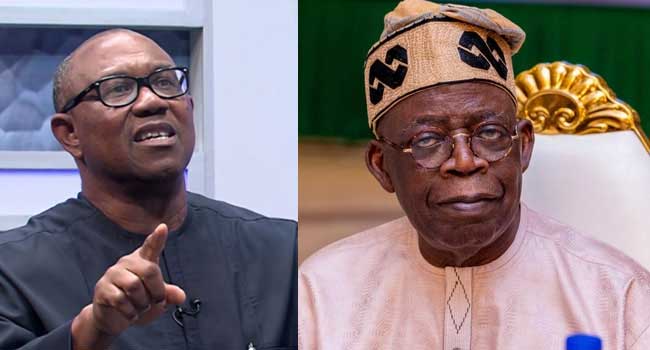
The Presidency has dismissed calls by Labour Party presidential candidate in the 2023 election, Peter Obi, for President Bola Ahmed Tinubu to resign from office, describing the demand as “childish” and an attempt to divert attention from the achievements of the current administration.
In a strongly worded response, presidential aides defended the government’s policies and reform agenda, insisting that the Tinubu administration remains focused on addressing Nigeria’s economic and developmental challenges despite criticism from opposition figures.
The Presidency argued that calls for the president’s resignation were not grounded in constitutional or democratic principles and accused critics of attempting to undermine ongoing efforts to reposition the country’s economy.
According to government officials, President Tinubu inherited significant economic and structural challenges and has since embarked on reforms aimed at stabilizing public finances, attracting investment, and laying the foundation for long-term growth.
“The administration remains committed to delivering on its promises to Nigerians. Calls for resignation are unnecessary distractions from the important work being done to address the nation’s challenges,” a presidency source said.
The response follows remarks attributed to Obi, who has been a vocal critic of the federal government’s handling of economic and governance issues. The former Anambra State governor has repeatedly expressed concerns over rising inflation, the cost of living crisis, insecurity, and other socioeconomic challenges confronting Nigerians.
Obi reportedly argued that the administration’s policies have worsened the hardships faced by ordinary citizens and suggested that the government should take responsibility for the country’s current difficulties.
However, the Presidency rejected those claims, maintaining that many of the economic reforms introduced by the government, including fiscal and monetary adjustments, were necessary measures designed to correct long-standing structural distortions in the economy.
Officials further contended that while some policies have resulted in short-term hardships, they are expected to yield sustainable benefits in the future through increased investment, improved revenue generation, and stronger economic fundamentals.
The exchange highlights the growing political rivalry between the government and opposition figures as debates over governance, economic performance, and public welfare continue to dominate national discourse.
Political analysts note that criticism from opposition leaders is a common feature of democratic systems and often intensifies as political actors position themselves ahead of future electoral contests. At the same time, they observe that governments typically seek to defend their records and counter narratives they consider misleading or politically motivated.
Supporters of Obi have defended his right to criticize government policies, arguing that opposition voices play an essential role in holding elected officials accountable. Conversely, supporters of the administration maintain that the government should be given sufficient time to implement reforms and address inherited challenges.
Despite the sharp exchanges, analysts emphasize the importance of constructive engagement between government and opposition stakeholders in strengthening democratic institutions and promoting national development.
As Nigeria continues to grapple with economic and security concerns, public debate over the effectiveness of government policies is expected to remain a central feature of the country’s political landscape. The Presidency has reiterated its commitment to implementing reforms and delivering on its agenda, while opposition figures continue to press for greater accountability and policy adjustments aimed at easing the burden on citizens.