Renewed disruption to shipping through the Strait of Hormuz is pushing global oil prices higher and raising fresh concerns about the potential impact on petrol prices and the wider cost of living in Nigeria.
Brent crude climbed to about $91.56 per barrel on Wednesday, its highest level in three weeks, as uncertainty over the strategic waterway continued to unsettle energy markets. Shipping through the strait has slowed sharply, with only six commodity vessels recorded passing through on Tuesday, according to Kpler data cited by Reuters.
The Strait of Hormuz, which links the Persian Gulf with the Gulf of Oman, has historically carried roughly one-fifth of global crude oil and liquefied natural gas shipments. The ongoing conflict involving the United States and Iran has disrupted commercial shipping, with several major operators avoiding the route because of security concerns.
For Nigeria, the development presents a complicated economic picture. Higher crude prices can increase government oil revenues, but they can also raise the cost of petroleum products and place additional pressure on consumers.
Nigeria’s downstream petroleum market is largely market-driven, meaning international crude prices, foreign exchange movements, refining costs, transportation and other supply-chain expenses can influence the price of petroleum products.
The potential chain reaction is straightforward:
Hormuz disruption → Higher global crude and shipping costs → Higher refining and product costs → Higher Nigerian depot prices → Possible pump-price increases → Higher transport and food costs.
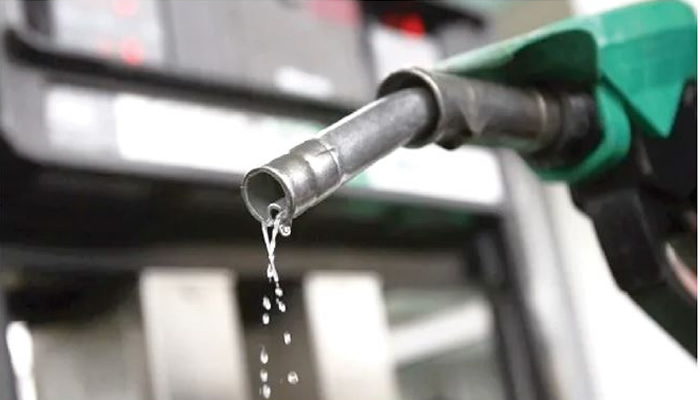
The effect is already visible in the sensitivity of Nigerian fuel prices to international energy markets. In June, Dangote Petroleum Refinery reduced its petrol ex-gantry price by ₦75 to ₦1,175 per litre after easing Middle East tensions pushed Brent crude lower.
The refinery subsequently cut the price again to ₦1,075 per litre in early July.
However, that relief did not last. In July, Dangote Refinery resumed naira-denominated petrol sales at ₦1,215 per litre, representing a ₦140 increase from its previous ₦1,075 price.
The crisis could provide Nigeria with an important fiscal advantage because the country remains a major crude oil producer.
When international crude prices rise above the level assumed in the national budget, government oil revenues can increase, provided Nigeria maintains sufficient production and exports.
But the benefit is not necessarily passed directly to households.
Higher global crude prices also increase the value of crude feedstock for refiners. For domestic refineries, including the Dangote refinery, international oil prices therefore remain an important component of the broader pricing environment.
The refinery currently has a stated capacity of about 650,000 barrels per day, while Nigeria is also considering reforms aimed at improving domestic refiners’ access to crude and reducing additional costs associated with sourcing feedstock.
The expansion of domestic refining provides Nigeria with a degree of protection from disruptions in international refined-product markets, but it does not completely isolate the country from global oil prices.
Crude remains an internationally traded commodity, while refinery operations also involve costs linked to logistics, financing, equipment, transportation and other inputs.
The current Hormuz disruption also demonstrates how quickly global shipping conditions can affect energy markets. Major Asian refiners have already increased purchases of crude from alternative suppliers, including the United States and West Africa, as shipping through the Gulf remains uncertain.
Nigeria could potentially benefit from increased demand for West African crude as some Asian refiners diversify away from Middle Eastern supplies. But that same global competition can also make crude more expensive for domestic refiners.
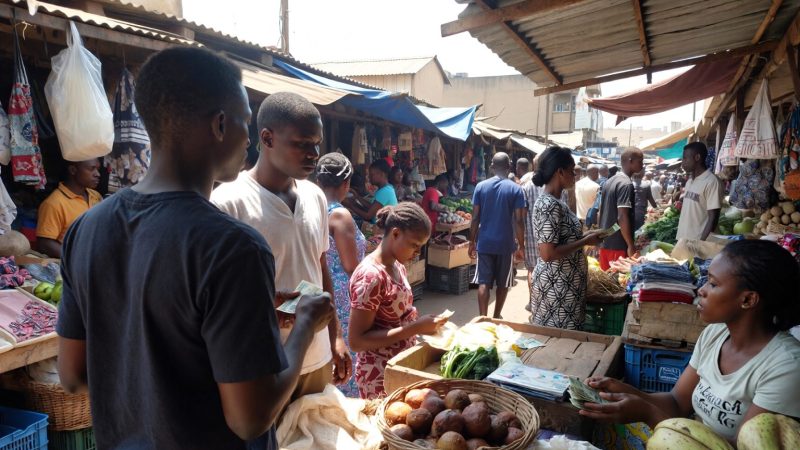
For Nigerian households, the greatest concern is what happens if higher petroleum costs eventually filter into transportation and food prices.
A sustained increase in petrol and diesel prices would raise operating costs for commercial transporters, haulage companies and businesses that rely on generators.
Higher transport costs could then feed into food prices because agricultural produce must be moved from farms and distribution centres to urban markets.
Small businesses would also face higher operating expenses, particularly those dependent on diesel-powered generators and petrol-driven equipment.
The result could be another round of pressure on household purchasing power at a time when Nigerians are already struggling with elevated food and living costs.
The growing capacity of Nigeria’s domestic refining industry could, however, reduce the country’s exposure to some external shocks.
The Dangote refinery has increasingly supplied both the domestic and international markets and recently attracted significant investment interest amid disruptions to global energy flows. Reuters reported that the refinery has become a major supplier of jet fuel to Europe and regional markets during the current geopolitical crisis.
The Federal Government is also considering measures to improve crude supply to local refineries, including proposals that could allow refiners to obtain crude more directly from producers and reduce transportation and intermediary costs.
Whether Nigerians experience another significant fuel-price shock will depend on how long the Hormuz disruption lasts, where international crude prices settle, the naira-dollar exchange rate, domestic crude availability and the ability of Nigerian refineries to maintain steady production.
For now, Brent crude is already back above $90 per barrel, while shipping through the world’s most important oil chokepoint remains severely disrupted.
If the disruption persists and crude prices continue climbing, Nigerian consumers could once again feel the impact—not only at the petrol station, but also in transport fares, food prices, electricity-generation costs and the broader cost of living.