
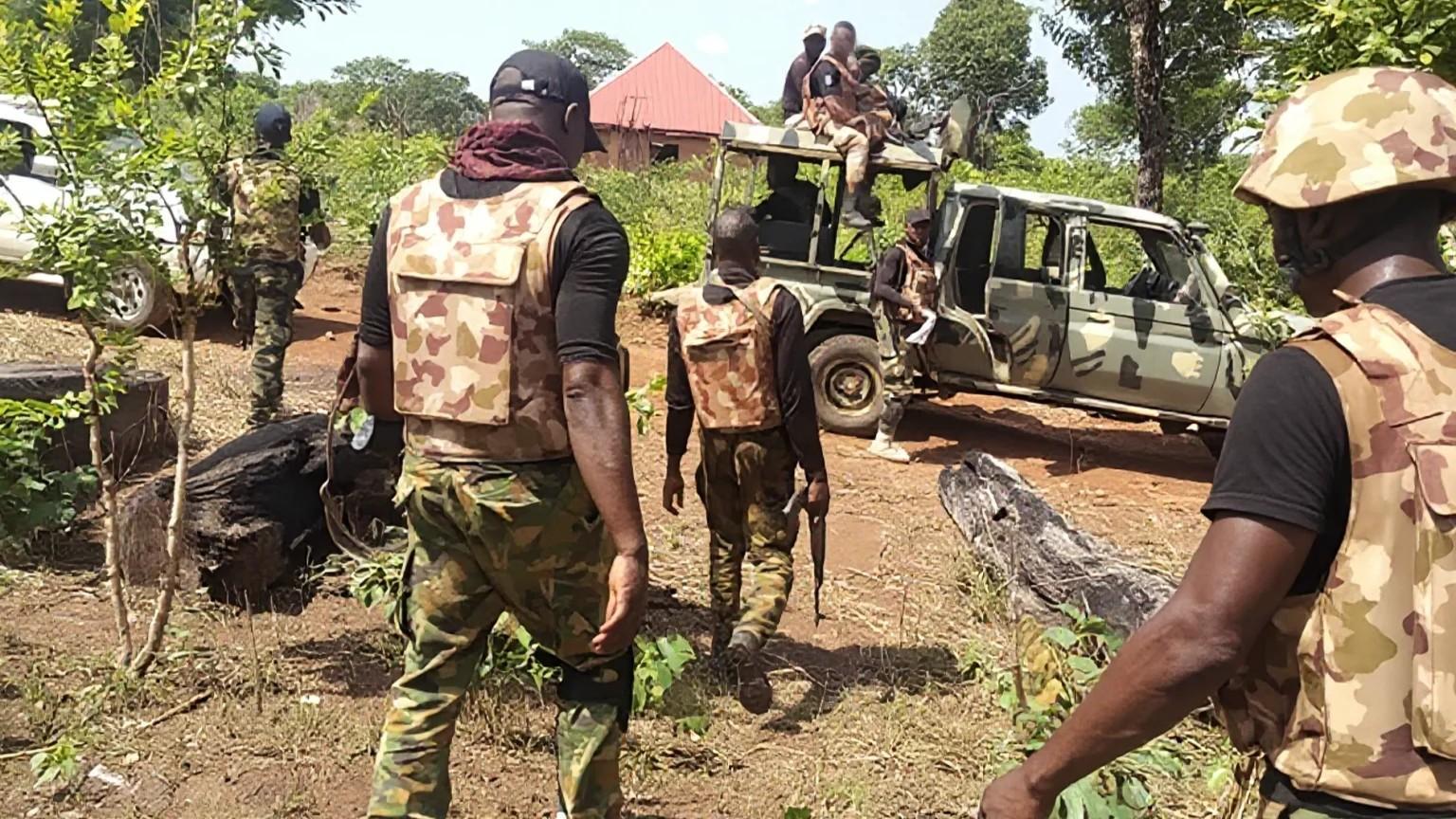
Within weeks, Nigerian security forces have recorded two of the country’s most significant hostage rescue operations in recent years. In Oyo State, 44 abducted pupils and teachers regained their freedom after spending 56 days in captivity. Weeks later, another coordinated operation led to the rescue of 308 kidnapped victims from the Kainji Lake National Park forest, spanning parts of Niger and Kwara states.
Beyond the celebrations that accompanied the return of hundreds of victims to their families lies a more important question: Are these operations evidence of a lasting transformation in Nigeria’s security architecture, or are they isolated successes in a country still grappling with widespread insecurity?
For years, mass abductions have become one of Nigeria’s most pressing security challenges, particularly across the North-West and North-Central regions. Schools, farming communities and highways have repeatedly come under attack, with criminal groups exploiting difficult terrain, weak security presence and poor road networks to carry out kidnappings for ransom.
The latest rescue operations, however, appear to reflect a different operational approach.
Unlike previous responses that often relied on prolonged search missions after attacks had already occurred, recent operations have been characterised by intelligence gathering, coordinated planning and simultaneous deployment of multiple security agencies.
The rescue of 308 hostages from the Kainji Lake National Park forest illustrates this shift. Security agencies reportedly spent months tracking the movements of armed groups before launching a coordinated operation involving the Armed Forces of Nigeria, the Department of State Services (DSS), the Nigeria Police Force and other agencies under the supervision of the National Counter-Terrorism Centre (NCTC).
Similarly, the successful rescue of pupils and teachers abducted from Oriire Local Government Area of Oyo State demonstrated the growing emphasis on intelligence-led operations rather than conventional large-scale military offensives.
Security analysts say such coordination reduces operational overlap, improves information sharing and increases the likelihood of rescuing victims without exposing them to additional danger.
For years, experts had criticised Nigeria’s security structure for allowing agencies to work independently despite confronting the same criminal networks. Intelligence generated by one institution was not always shared quickly with others, resulting in delayed responses and missed opportunities.
The recent operations suggest that greater collaboration between military, intelligence and law enforcement agencies is beginning to yield results.
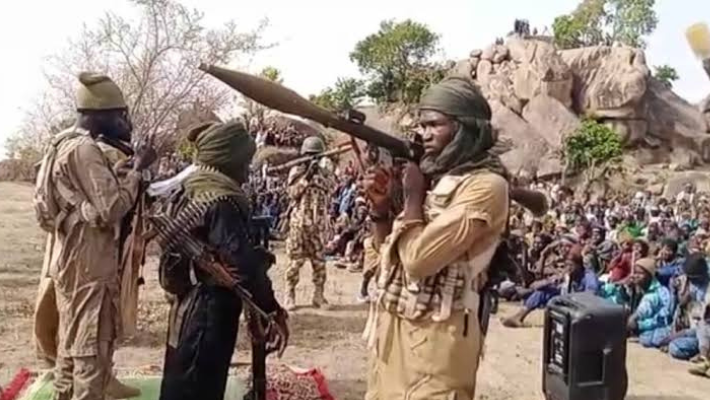
Equally important has been the increasing role of local intelligence.
Community leaders, local vigilante groups, hunters and regional security outfits have become valuable sources of information in rural communities where criminal groups often establish temporary camps. Their familiarity with forests, local routes and settlements provides security agencies with knowledge that sophisticated technology alone cannot easily replicate.
This combination of community intelligence and advanced surveillance has become increasingly important in confronting kidnappers who frequently relocate through forests stretching across several states.
Despite these operational successes, security experts caution against measuring progress solely by the number of hostages rescued.
Nigeria continues to face deeper structural security challenges, including the existence of vast ungoverned forests, porous borders, illegal arms trafficking and limited security presence in many rural communities.
The Kainji Lake National Park region, where hundreds of hostages were rescued, has long been identified as one of several remote areas exploited by criminal groups because of its difficult terrain and limited permanent security presence.
Analysts argue that while successful rescue missions demonstrate improved operational capacity, preventing future abductions requires sustained investment in rural policing, surveillance technology, intelligence gathering and rapid-response capabilities.
There is also growing consensus that communities vulnerable to repeated attacks need stronger early-warning systems capable of alerting security agencies before kidnappings occur rather than after victims have already been taken.
President Bola Tinubu has praised the security agencies involved in the recent rescue operations, describing them as evidence of improved inter-agency cooperation. The administration has also emphasised the importance of strengthening intelligence sharing and enhancing coordination through the Office of the National Security Adviser and the National Counter-Terrorism Centre.
Whether these recent operations mark a turning point will depend on what follows.
If intelligence-led operations become institutionalised, if security agencies continue to work in closer coordination and if vulnerable communities receive sustained protection, Nigeria could gradually reduce the frequency of large-scale kidnappings.
However, if the underlying conditions that enable criminal groups to operate remain unaddressed, successful rescue operations may continue to be followed by new attacks elsewhere.
For many Nigerians, the rescue of hundreds of kidnapped citizens offers hope that the country’s security forces are adapting to an evolving threat. The greater challenge now is ensuring that these tactical victories develop into a long-term strategy capable of preventing kidnappings before they occur.
The coming months will reveal whether these operations represent isolated achievements or the beginning of a broader transformation in Nigeria’s fight against organised criminal violence.