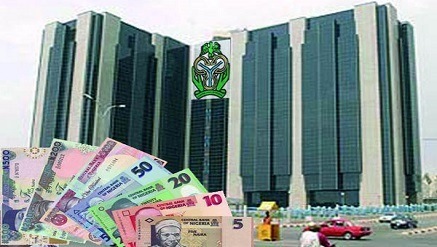
Market analysts have projected that the naira will remain relatively stable against the United States dollar in the coming week, supported by sustained interventions by the Central Bank of Nigeria (CBN) and improved liquidity in the foreign exchange market.
The outlook reflects growing confidence that the apex bank’s foreign exchange management strategy will continue to cushion the local currency against excessive volatility despite lingering global economic uncertainties.
Currency traders said the CBN’s regular dollar sales into the official foreign exchange market have helped narrow sharp fluctuations in the naira’s value, while improved foreign exchange liquidity has strengthened market sentiment. According to market participants, the naira is expected to trade within a relatively stable range over the next several days if current market conditions persist.
Analysts also attributed the positive outlook to continued foreign exchange inflows and the CBN’s commitment to maintaining orderly market conditions. They noted that sustained interventions have helped ease pressure on the local currency, even as demand for foreign exchange remains significant.
“The market has remained relatively stable and I expect that to continue next week,” one trader told Reuters, pointing to ongoing central bank support for the foreign exchange market.
The forecast comes amid broader optimism in parts of Africa’s foreign exchange markets. While Nigeria’s naira, Ghana’s cedi and Kenya’s shilling are expected to remain broadly stable, analysts anticipate Zambia’s kwacha could face pressure ahead of the country’s general elections, while Uganda’s shilling may strengthen on the back of anticipated foreign investor inflows.
In recent months, the CBN has maintained a tight monetary policy stance alongside measures aimed at improving transparency and liquidity in the foreign exchange market. The bank has repeatedly stated that it remains committed to exchange rate stability and a market-driven foreign exchange framework.
Despite the improved outlook, economists cautioned that external risks including fluctuations in global oil prices, changes in investor sentiment and geopolitical developments could still influence the naira’s performance. They noted, however, that the CBN’s continued market interventions are expected to help mitigate short-term volatility.