
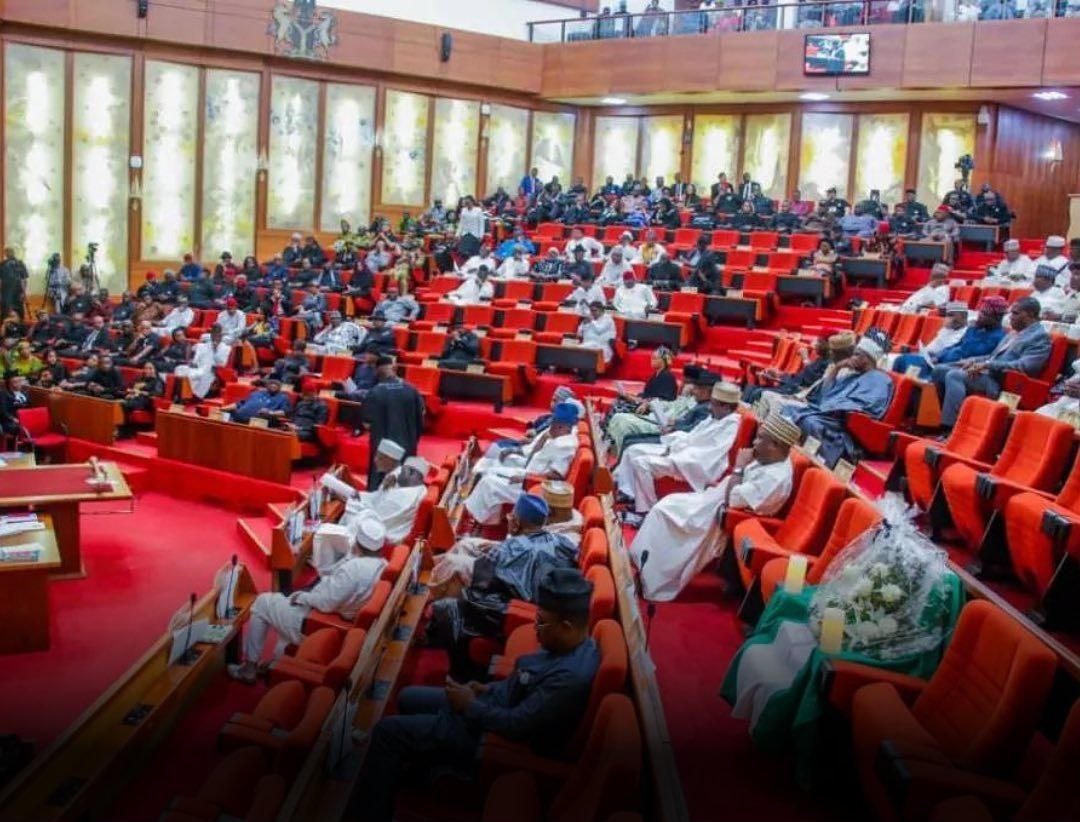
Nigeria is a step closer to adopting state police following the passage of the Constitution Alteration (State Police) Bill, 2026, by the National Assembly, marking one of the country’s most significant proposed security reforms since the return to democratic rule in 1999.
The bill, however, has not yet become law. It must still secure the approval of at least 24 of the 36 State Houses of Assembly before it can be transmitted to President Bola Tinubu for assent.
If eventually enacted, the amendment would allow state governments to establish and operate their own police services alongside the existing Nigeria Police Force (NPF), creating a dual policing system intended to strengthen security at both the federal and state levels.
Under the proposed arrangement, the federal police would continue to handle national security, terrorism, cybercrime, border protection, and interstate criminal activities, while state police formations would focus on community policing, local crime prevention, and rapid emergency response within their respective states.
Supporters of the bill argue that decentralising policing could improve response times, particularly in rural communities and urban outskirts where residents have often complained of delayed security interventions under the current centralised structure.
They also believe officers recruited from their local communities would have better knowledge of the terrain, language, and local dynamics, making intelligence gathering and crime prevention more effective.
The proposal comes amid growing calls for reforms to Nigeria’s security architecture following years of insecurity, including banditry, kidnapping, communal violence, and other crimes affecting different parts of the country.
However, the proposed introduction of state police has continued to generate debate among lawmakers, civil society groups, and security experts.
One of the major concerns raised by critics is the possibility that state governments could misuse state-controlled police formations for political purposes, including intimidation of opponents, journalists, or activists.
To address those concerns, the bill includes provisions intended to establish checks and balances. Under the proposed framework, state police commissioners would be appointed through a process involving recommendations by the National Police Council and confirmation by the relevant State House of Assembly.
The amendment also contains provisions aimed at preventing the use of state police to suppress lawful political activities or target individuals because of their political views.
In addition, the proposed framework allows the Federal Police Service to assume temporary control of a state police command during national security emergencies or other circumstances provided by law.
Beyond the constitutional amendment, the Federal Government is also expected to develop an operational legal framework to guide the implementation of state policing.
The proposed National Policing Bill is expected to set minimum operational standards, training requirements, funding guidelines, accountability mechanisms, and human rights safeguards before any state can establish its own police service.
Funding is expected to remain one of the biggest challenges if the bill eventually becomes law.
Analysts say financially stronger states may be better positioned to establish and sustain state police formations, while states with weaker internally generated revenue could require additional federal support or collaborative security arrangements.
Security experts have also stressed that the success of state policing will depend not only on constitutional backing but also on adequate funding, professional recruitment, effective oversight, and mechanisms that ensure operational independence from political interference.
As deliberations shift to the state legislatures, the proposed constitutional amendment represents a major milestone in Nigeria’s long-running debate over whether decentralising policing could improve public safety while preserving accountability and respect for the rule of law.