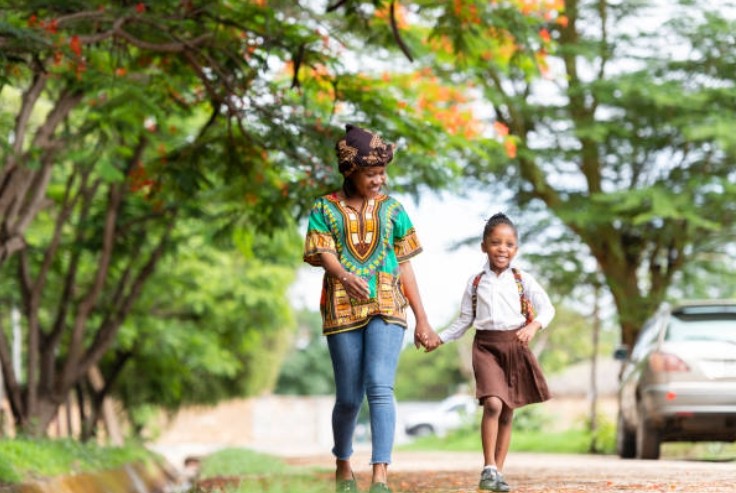
As schools across Nigeria resume for a new academic session, many parents are grappling with the rising cost of education, with some saying they now spend more on school fees than on housing.
Private schools in major cities including Lagos, Abuja and Port Harcourt have increased tuition by between 30 and 100 percent in recent months, citing higher operating costs driven by inflation, rising fuel prices, increased electricity tariffs, teaching materials and staff salaries.
For many middle- and lower-income households, education has become one of the largest items in the family budget, forcing difficult financial decisions as the cost of living continues to rise.
“I pay about ₦1.2 million a year for my three-bedroom apartment in Ikeja, but my children’s school fees now cost me about ₦1.8 million annually, excluding uniforms, books and transportation,” said Tunde Adeleke, a Lagos-based civil servant and father of two. “I never imagined I would spend more educating my children than keeping a roof over our heads.”

Similar concerns were expressed by parents across the country, many of whom said they have had to dip into savings, take bank loans or transfer their children to less expensive schools to cope with the rising fees.
Beyond tuition, ancillary expenses have also increased significantly. School bus services, textbooks, stationery, lunch programmes and extracurricular activities now account for a substantial share of education spending. Parents say transport fees have climbed alongside fuel costs, while imported educational materials have become more expensive due to exchange rate pressures and higher printing costs.
School proprietors, however, insist that the fee increases are necessary to keep their institutions running. They argue that private schools receive little government support and must absorb rising expenses related to power generation, facility maintenance, teacher retention and learning resources.
The National Association of Proprietors of Private Schools (NAPPS) has maintained that many schools are struggling to remain operational amid Nigeria’s challenging economic environment, making periodic tuition adjustments unavoidable.
Education experts warn that the continued rise in private school fees could widen inequality in access to quality education if public schools are not adequately strengthened. They say more families may be forced to withdraw their children from private institutions or delay school enrolment altogether, potentially increasing the number of out-of-school children.
Analysts also note that improving public education infrastructure, expanding access to affordable learning materials and addressing broader economic pressures would help reduce the financial burden on parents.
As households prepare for another school year, many families say they are hoping for policies that will make quality education more affordable while ensuring schools can continue to operate without transferring the full cost of inflation to parents.